


Embarking on a Galapagos adventure is a dream for many, but the journey begins with a crucial decision: should you fly into Quito or Guayaquil?
As the primary gateways to the enchanted islands, each city offers a unique prelude to your Galapagos experience.
Quito, nestled high in the Andes, boasts a rich tapestry of history and culture, perfect for those seeking Andean adventures and the charm of colonial architecture. Meanwhile, Guayaquil, with its warm coastal climate, presents a quicker path to the islands and a modern urban vibe, making it an attractive option for those seeking ease and comfort.
In this guide, we will explore the nuances of Quito vs. Guayaquil, offering Galapagos travel tips to help you choose the best way to the Galapagos that suits your style and spirit.


Ease of Access and Flight Options
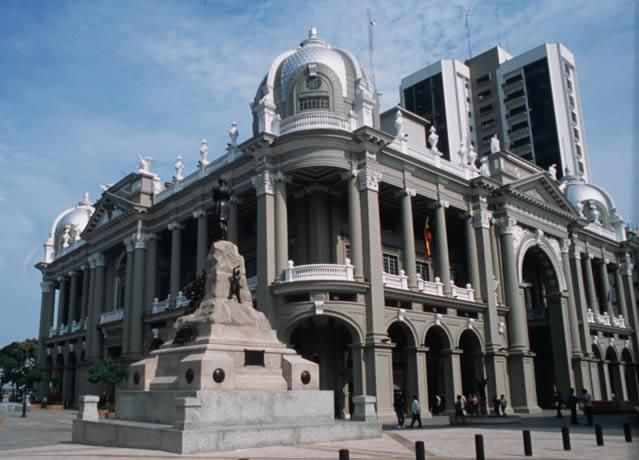
When planning a trip to the Galapagos, flight options play a crucial role. Guayaquil is closer to the islands, with shorter non-stop flights (around 1.5 hours) and more frequent departures. Its airport is just 15 minutes from downtown. Quito, while farther, has flights that take longer because they make a stop in Guayaquil. Its airport is 50 minutes from downtown, but offers convenient late-night U.S. connections. Both cities have international airports and serve as excellent gateways to the Galapagos.
For more information regarding airfare and flight schedules, you can visit the Plan Your Trip – Key information & FAQ section on our website.
Climate and Altitude Differences
The climate and altitude of Quito and Guayaquil offer distinctly different experiences for travelers. Guayaquil, at sea level, boasts a warm, tropical climate year-round. This coastal city’s weather aligns more closely with what you’ll encounter in the Galapagos, potentially easing your transition to island life. In contrast, Quito sits high in the Andes at 9,350 feet above sea level, offering a cooler, spring-like climate. You’ll need to bring a jacket or sweater.
The altitude in Quito may require some adjustment for sensitive travelers, but it also provides a unique opportunity for Andean adventures. However, those with altitude sensitivities may prefer Guayaquil’s sea-level location.
Cultural and Historical Attractions
Quito and Guayaquil offer unique experiences for travelers exploring Ecuador. Quito, a UNESCO World Heritage site, is rich in colonial architecture, with highlights like its ornate churches, cobblestone streets, and bustling plazas in the well-preserved Old Town. It’s an ideal destination for those interested in Andean culture and indigenous markets.

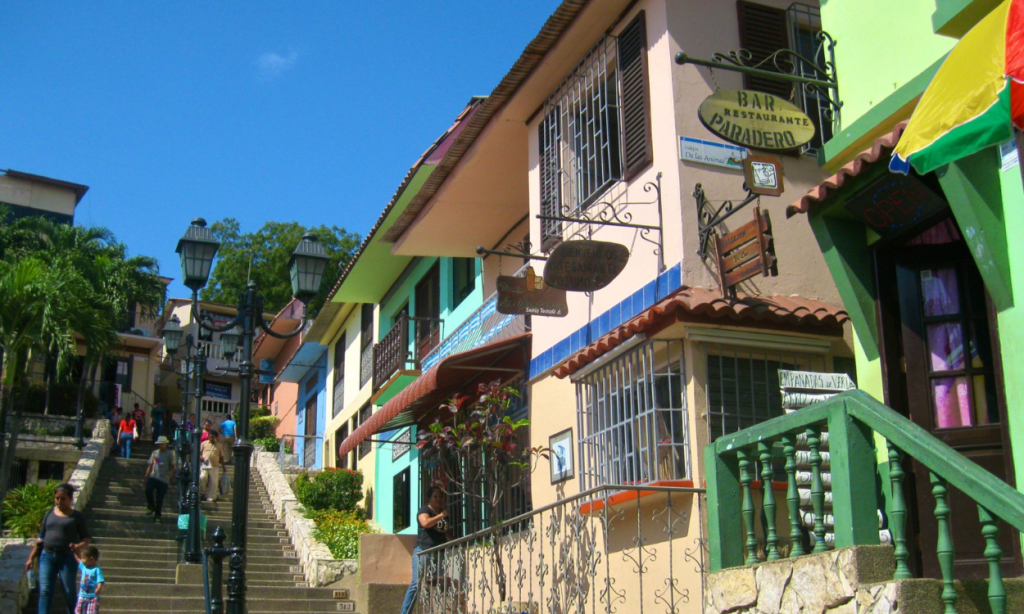
Guayaquil, Ecuador’s economic hub, contrasts with its modern urban planning, colorful Santa Ana Hill, and the vibrant Malecón 2000 riverfront. While it has fewer historical attractions than Quito, Guayaquil’s dynamic energy and coastal charm make it an excellent choice for travelers seeking a modern Ecuadorian experience.
Entry Requirements and Considerations
Before traveling, ensure you meet all entry requirements for Ecuador:
- Passport Validity: Your passport must be valid for at least six months beyond your intended departure date from Ecuador.
- Visa Requirements: U.S. citizens do not require a visa for stays of up to 90 days.
- Health Protocols: Due to health regulations, travelers should check for any necessary vaccinations or entry requirements, which can change frequently.
- TCT Card: For entry into the Galapagos, a Transit Control Card (TCT) is required. You can purchase this through Ecoventura or at the airport before your flight to the islands.
By planning your flights from major U.S. cities in advance and familiarizing yourself with entry requirements, you can ensure a smooth and stress-free journey. With logistics taken care of, you’ll be free to immerse yourself in the breathtaking landscapes, extraordinary wildlife, and unforgettable adventures that make the Galapagos Islands a once-in-a-lifetime destination.