

On Itinerary A of an Ecoventura expedition, there’s a morning that guests remember for years. It isn’t just a photograph or a spectacular sunrise — though those happen too. It’s the moment we drop anchor off Española Island and step ashore into an environment that feels truly otherworldly. Even after guiding travelers through the Galapagos for decades, Española still takes our breath away.
Though just 23 square miles (60 square kilometers), this small, sun-baked island in the southern archipelago holds more natural wonders per square foot than almost anywhere else in the Galapagos. Here’s why we designed our Itinerary Beaches & Bays around it — and why April, in particular, is the perfect time to visit.
The Island That Time Built
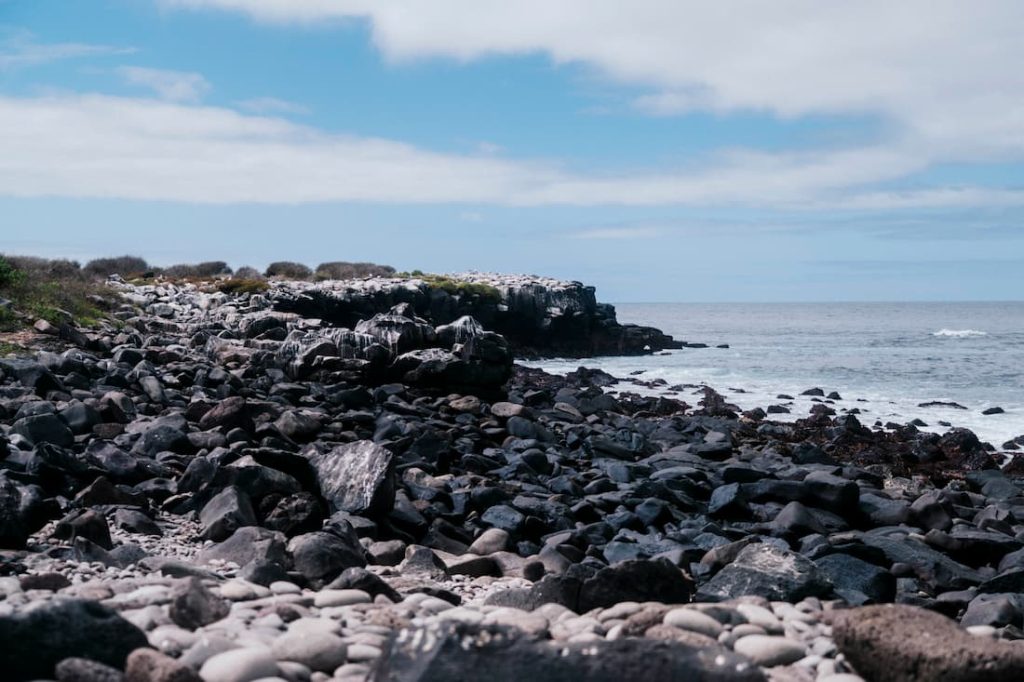
Before stepping off the panga, we encourage guests to simply look. What they see isn’t just a dramatic coastline, it’s millions of years of geological history. Española, also called Hood Island, is one of the oldest islands in the Galapagos. Its age, flat terrain, arid climate, and isolation have combined to create one of the most ecologically unique islands in the archipelago. Only the most resilient species could colonize it — and those that did evolved into forms found nowhere else.
Española has never had permanent human settlements. Its ecosystems remain largely untouched, free from farms, invasive species (thanks to long-term eradication programs), and light pollution. As part of the first UNESCO World Heritage Site designated in 1978, the island is protected, pristine, and profoundly wild.
The Waved Albatross — A Story That Only Happens Here
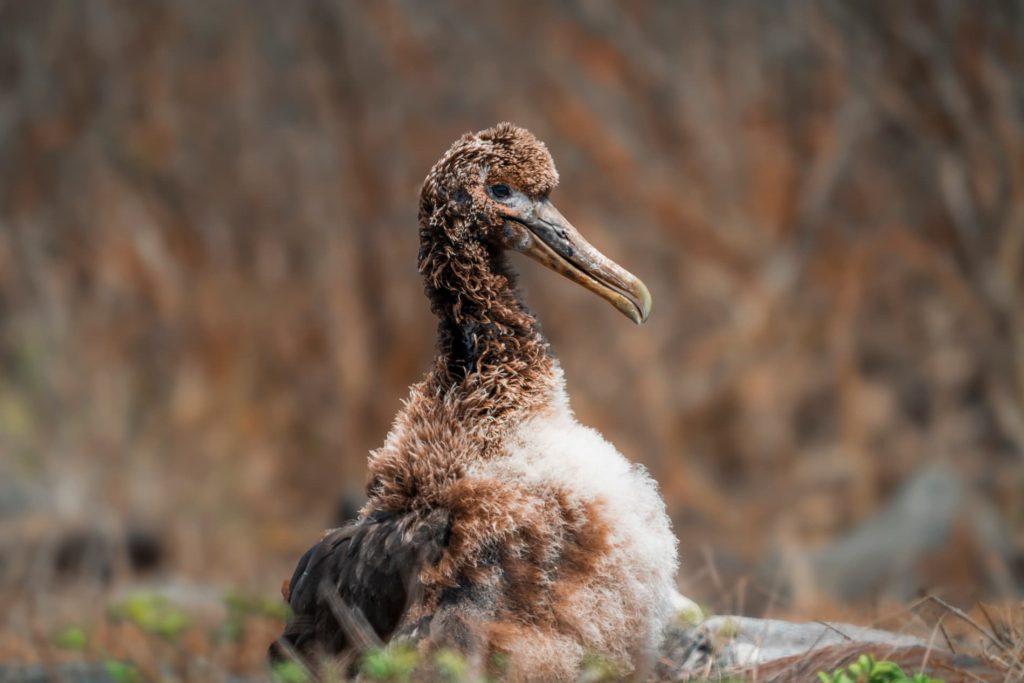
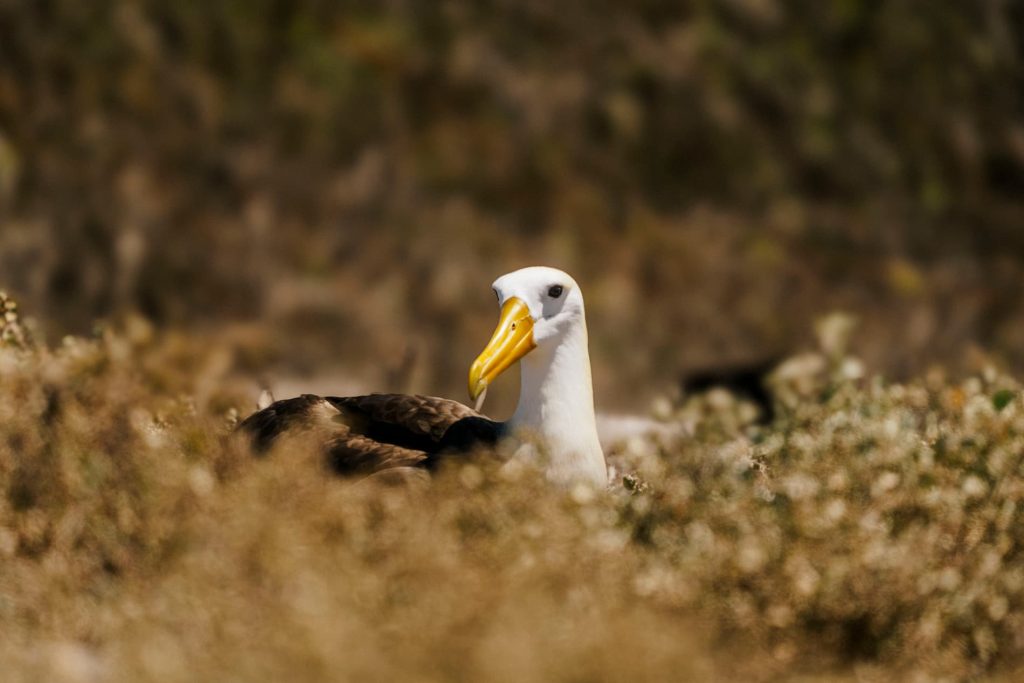
Española is the primary breeding ground for nearly the entire global population of waved albatrosses. Each year, almost every adult returns here to mate, nest, and raise its chick. Standing on Española is standing at the heart of a species’ entire breeding world.
The waved albatross spends part of the year at sea, ranging across the Pacific Ocean along the coasts of Ecuador and Peru. By late March and April, it begins returning to Española, where nearly the entire global population gathers to breed.
The birds remain on the island through December, raising a single chick before departing once again. Remarkably, they return year after year to the same nesting grounds — often reuniting with the same partner for life.
- The courtship dance: Lifelong pairs perform elaborate rituals — beak fencing, honking, stumbling, and head-bobbing — can last for several days.
- Majestic wingspan: With wings measuring up to 2.5 meters, the waved albatross is the largest bird species in the Galapagos. On land, their clumsy waddle is endearingly comical.
- Nesting commitment: Each pair lays a single egg per year, sharing incubation duties. Every chick is a testament to the species’ dedication.
These albatrosses classified as Critically Endangered by the IUCN. Their dependence on a single island makes them vulnerable to fishing, climate change, pollution, and other threats. Visiting Española with us makes you more than a tourist — it makes you a witness and an advocate.
Española’s Other Wonders
While the waved albatross is the headliner, Española’s supporting cast is extraordinary.
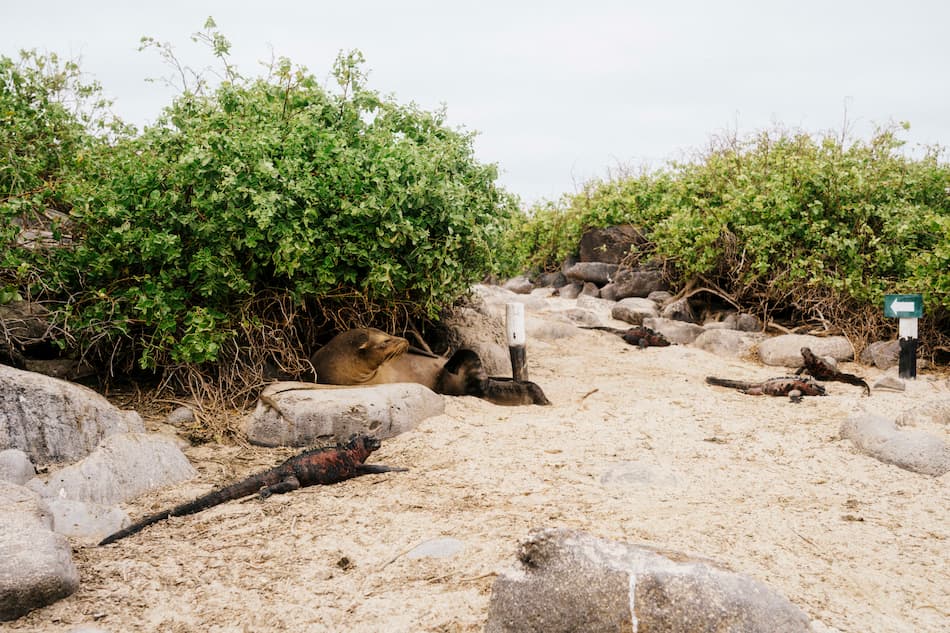
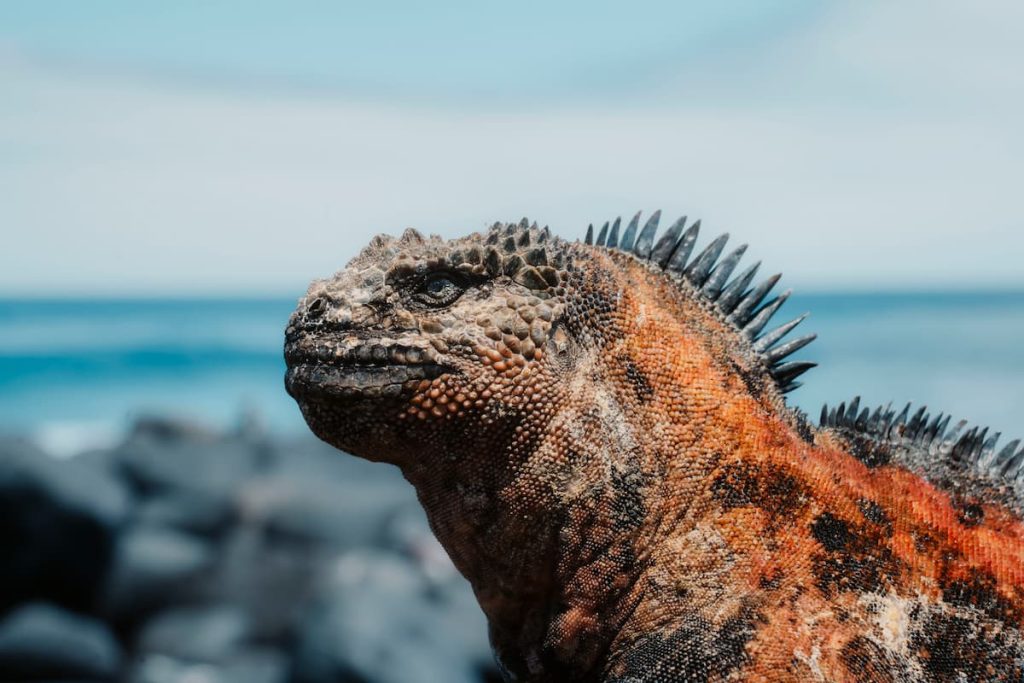
The Christmas Iguana: Unlike other marine iguanas, Española’s display bright red and green breeding colors, earning its festive nickname.
The Española Mockingbird: Bold and curious, these omnivorous birds are known for their bold and curious behavior, often approaching visitors.They are unique to the island and play an important ecological role.
The Giant Tortoise — A Conservation Triumph:
By the 1960s, Española’s giant tortoise population had dwindled to just 14 individuals. Through a decades-long captive breeding program, hundreds of hatchlings were repatriated to the island. Today, the population has steadily recovered. This is a living example of successful conservation in action.
The Two Visitor Sites — What to Expect Ashore
Punta Suarez
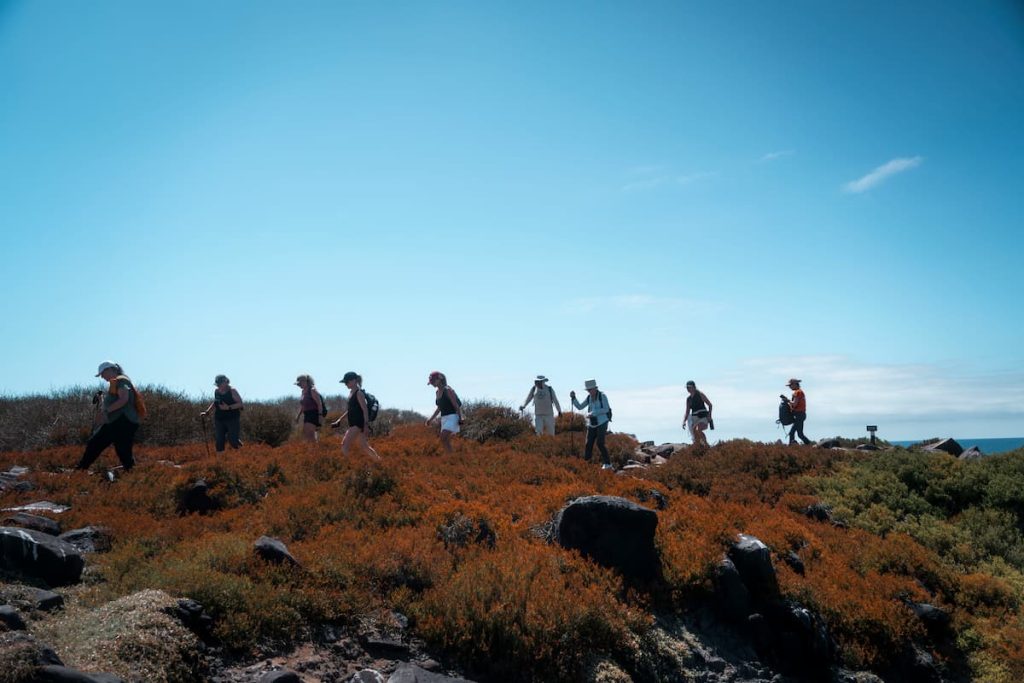
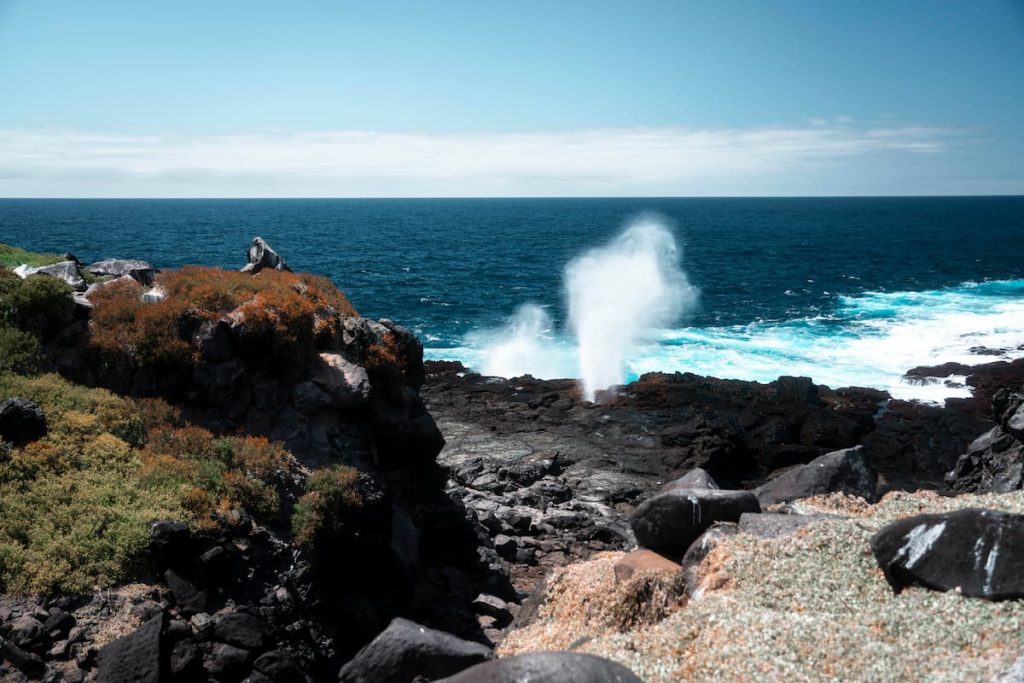
A 3-kilometer trail takes you past Española’s most iconic wildlife. Start at the blowhole, where seawater can shoot up to 23 meters (75 feet) into the air, forming a rainbow in the mist. Along the trail, guests may see:
- Waved albatrosses returning to their colony (April–December)
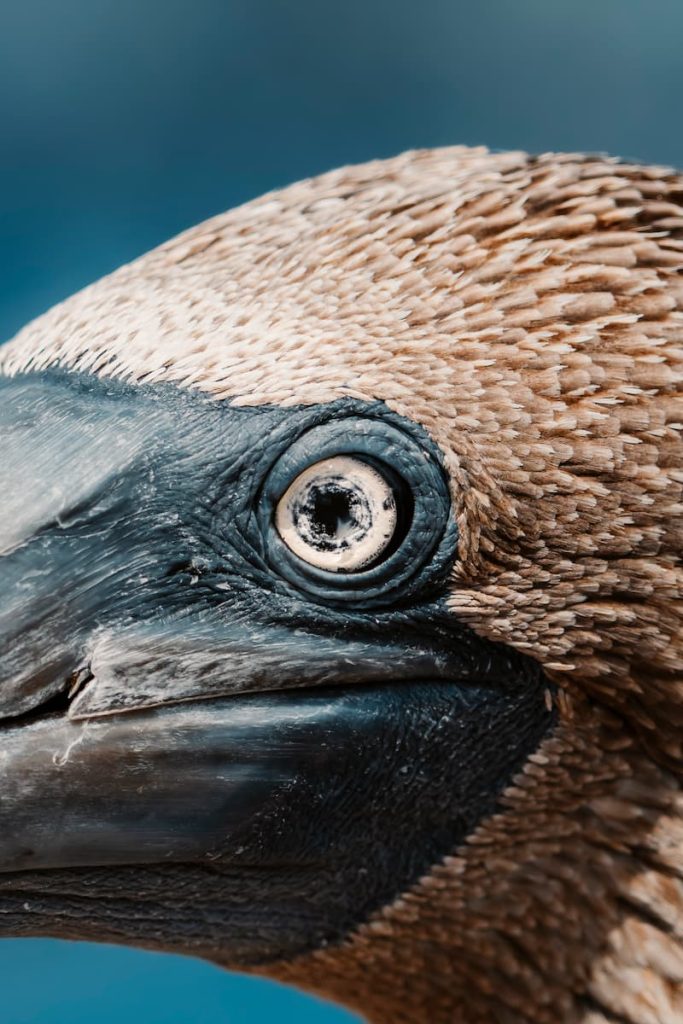
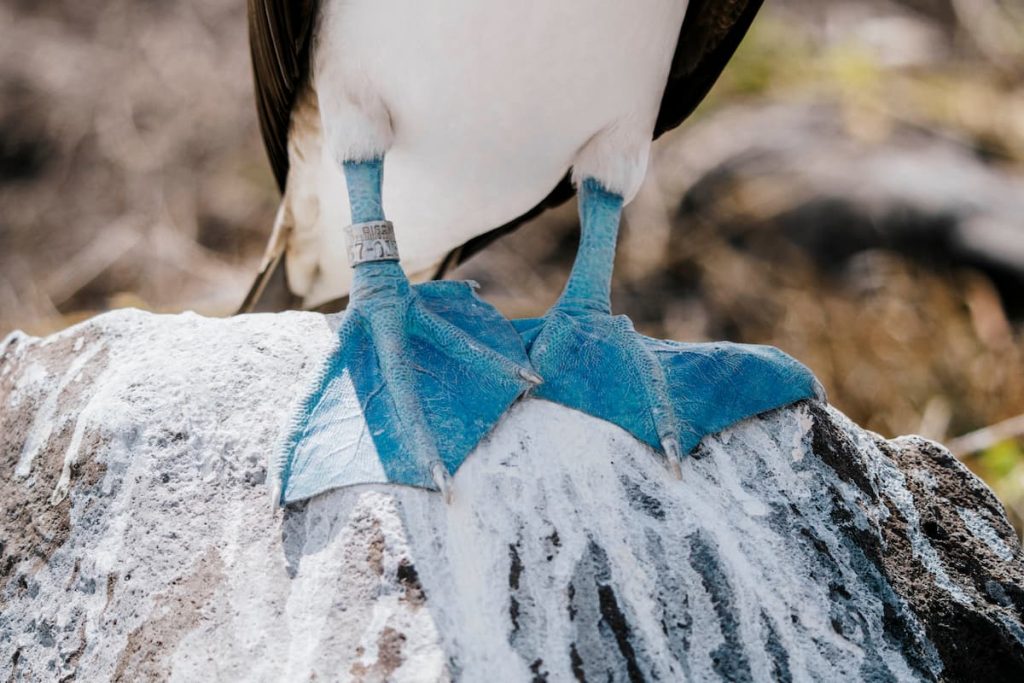
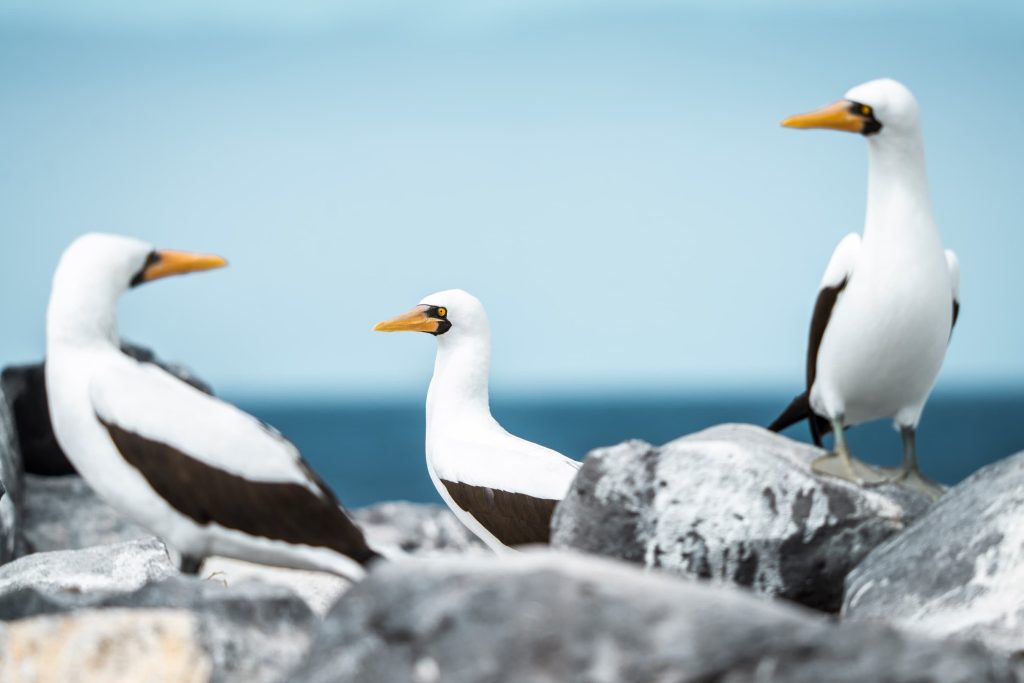
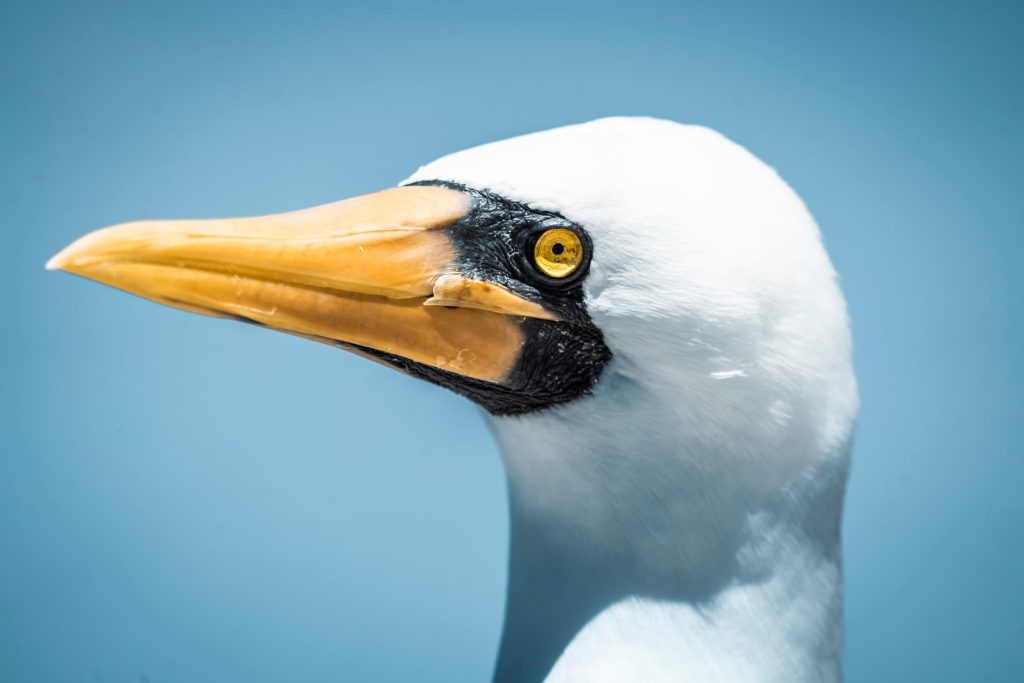
- Blue-footed and Nazca boobies nesting along cliffs
- Galapagos hawks perching nearby
- Swallow-tailed gulls and red-billed tropicbirds in coastal flight
- Christmas iguanas and lava lizards along the trail
Gardner Bay
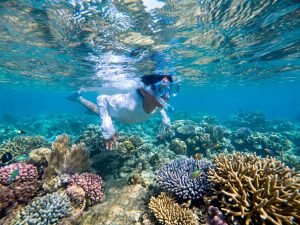
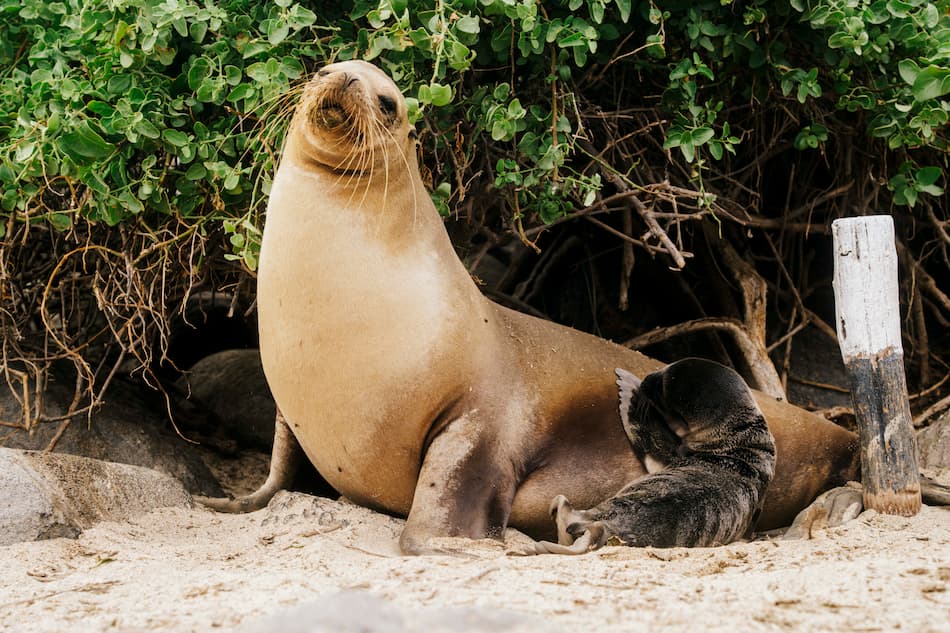
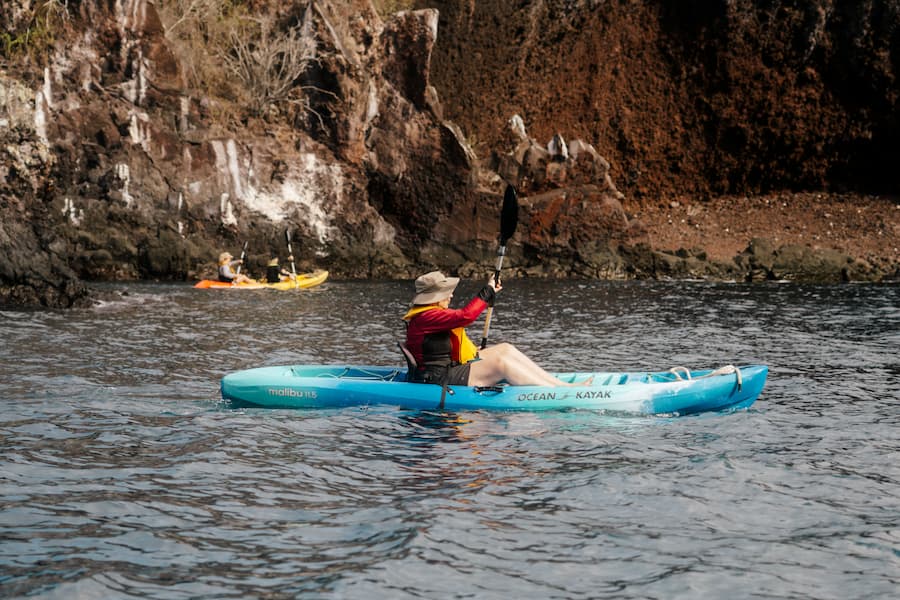
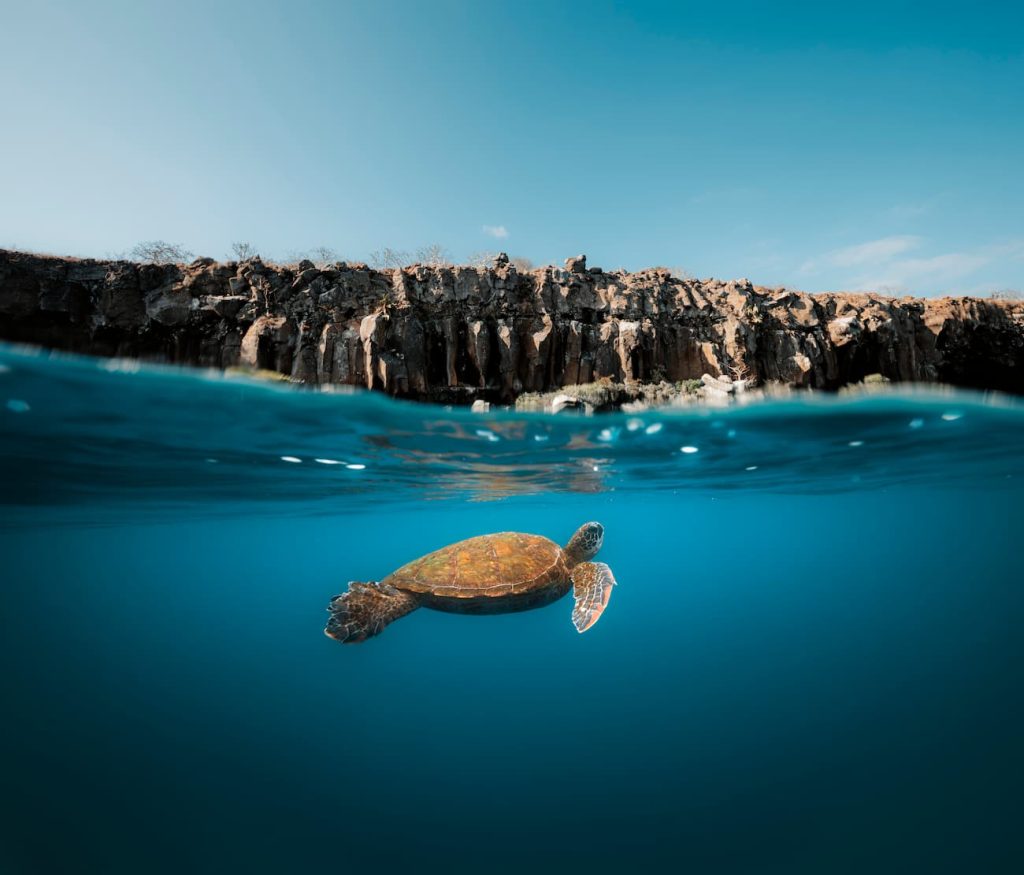
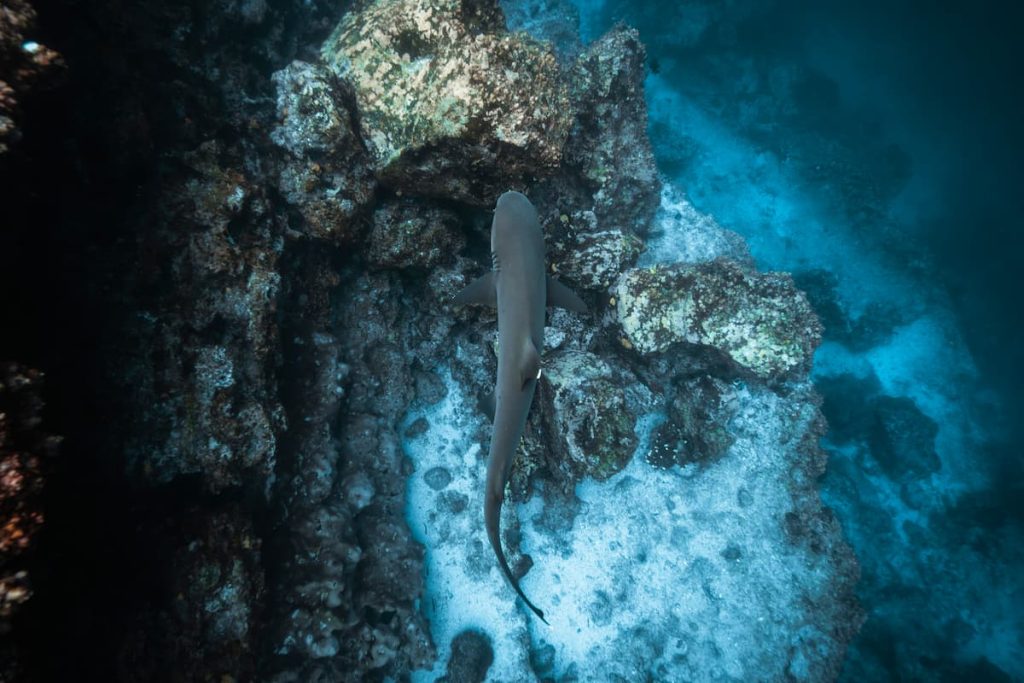
Gardner Bay offers a more serene, beachside experience. White sand, turquoise waters, and lounging sea lions welcome you. Snorkelers discover underwater caves, schools of colorful fish, reef sharks, and sea turtles gliding through the tide. The Española mockingbird may even make a surprise appearance onshore.
Why a Small Ship Is the Only Way to Visit
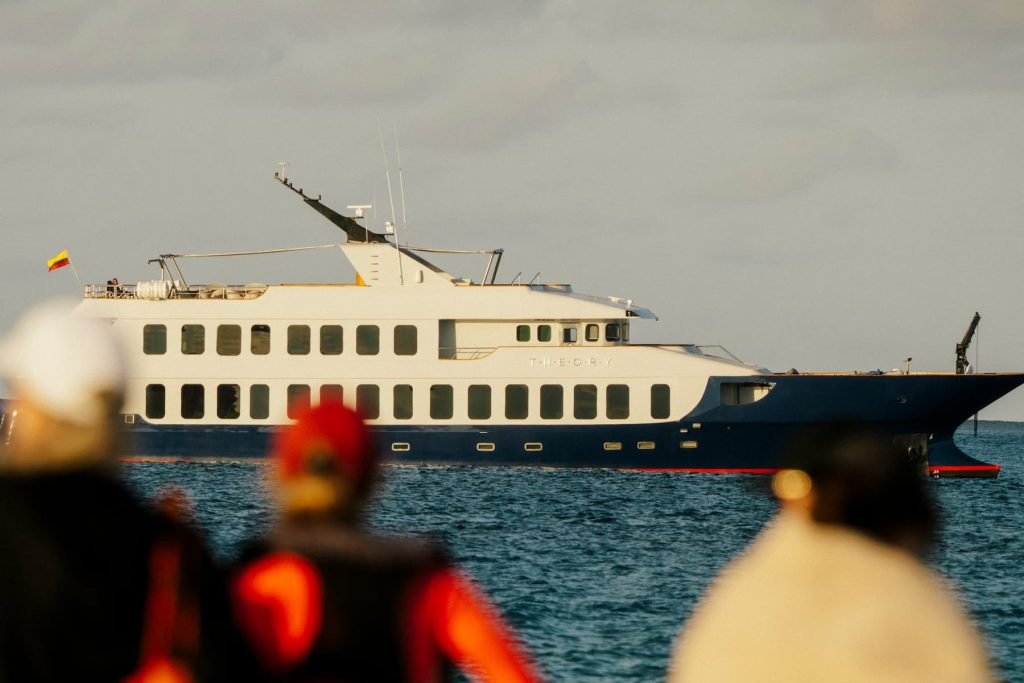
Española’s visitor permits are strictly limited by the Galapagos National Park. Smaller yachts allow all guests to experience the landing together, without the need for staggered rotations. With Ecoventura’s 20-guest yachts, everyone experiences the full morning together — uninterrupted. When watching an albatross perform its courtship dance just feet away, every moment counts.
After your morning ashore, you might enjoy a barbecue lunch with ocean views and a hands-on Ecuadorian ceviche cooking demonstration. The expedition experience continues beyond the island — to the table, conversation, and shared memories.
Experience Española with Ecoventura
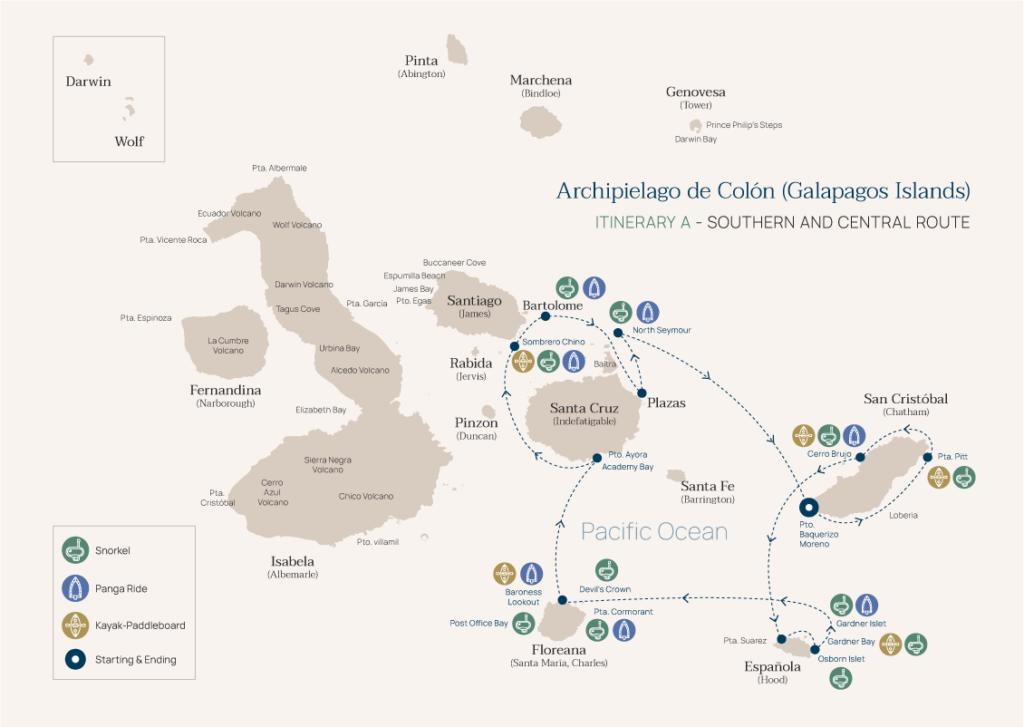
Española Island is featured on Itinerary A: Beaches & Bays, where guests explore Punta Suárez and witness some of the Galapagos’ most extraordinary wildlife encounters. With only 20 guests per departure and limited permits, availability is inherently limited.
Explore upcoming departures and discover current special offers for 2026 and 2027.