

When travelers search for the best Galapagos cruise for wildlife, what they’re truly asking is simple: Where will I experience the most extraordinary animal encounters, up close, responsibly, and with expert guidance?
The Galapagos Islands are unlike anywhere else on Earth. This living laboratory of evolution is home to species found nowhere else – animals that evolved without fear of humans, allowing rare, intimate wildlife encounters. But not all cruises deliver the same level of access, interpretation, or immersion.
Choosing the right expedition makes all the difference.
What Makes a Galapagos Cruise the Best for Wildlife?
Wildlife in the Galapagos is protected within a highly regulated national park. Every landing, snorkel, and hike is guided. That means the quality of your wildlife experience depends entirely on three factors:
- Ship size
- Guide expertise
- Itinerary design
Let’s break them down.
1. Small Ships Offer Bigger Wildlife Moments


The most meaningful wildlife experiences happen in small groups.
Aboard Origin, Theory, and Evolve, guest capacity is limited to just 20 travelers. This matters for wildlife because:
- Fewer guests per guide means better viewing opportunities
- Smaller landing groups reduce environmental disturbance
- Flexible scheduling allows optimal wildlife timing
- Quiet anchorages enhance natural encounters
In the Galapagos, wildlife is not staged, it unfolds organically. Smaller expedition yachts allow you to witness it respectfully and intimately.
2. Expert Naturalist Guides Define the Experience

Wildlife sightings alone do not create an extraordinary expedition — expert interpretation does.
The Galapagos Islands are inseparable from the legacy of Charles Darwin, whose observations here reshaped our understanding of life on Earth. To fully appreciate this living laboratory of evolution requires more than observation; it requires insight.
This is where Ecoventura’s naturalist guides make a profound difference. With decades of collective field experience in the archipelago, they are among the most knowledgeable and engaging experts in the region. Their expertise goes beyond certification — it reflects years spent studying the islands’ ecosystems, tracking seasonal wildlife patterns, and interpreting subtle behavioral cues that most travelers would otherwise miss.
The best wildlife expeditions are led by guides who offer:
- Top-tier Galapagos National Park certification
- Deep knowledge of endemic species and evolutionary history
- Real-time interpretation of animal behavior
- A conservation-first philosophy
- The flexibility to adapt excursions based on wildlife activity
A marine iguana sunning on black lava rock is fascinating.
Understanding how it evolved as the only sea-going lizard in the world – expelling excess salt through specialized glands and diving to graze on underwater algae – transforms the moment into something unforgettable.
In the Galapagos, the guide shapes the journey. When choosing the best Galapagos cruise for wildlife, always ask about the depth of expertise leading your expedition.
3. Itinerary Design Impacts Wildlife Diversity
Not all islands offer the same wildlife density or species diversity. The most wildlife-rich itineraries include:
Western Islands
Cold, nutrient-rich currents support exceptional marine life:
- Galapagos Penguins
- Flightless cormorants
- Abundant sea turtles
- Large schools of fish
Central Islands
Iconic species thrive here:
- Sea lions
- Marine iguanas
- Waved Albatross
- Blue-footed boobies
Highlands
Lush, misty landscapes where giant tortoises roam freely.
Well-designed itineraries combine marine ecosystems, volcanic landscapes, and highland habitats — maximizing species diversity in a single voyage.
Iconic Wildlife You’ll Encounter
Below are some of the species that make the Galapagos the ultimate wildlife destination.
Galapagos Giant Tortoise
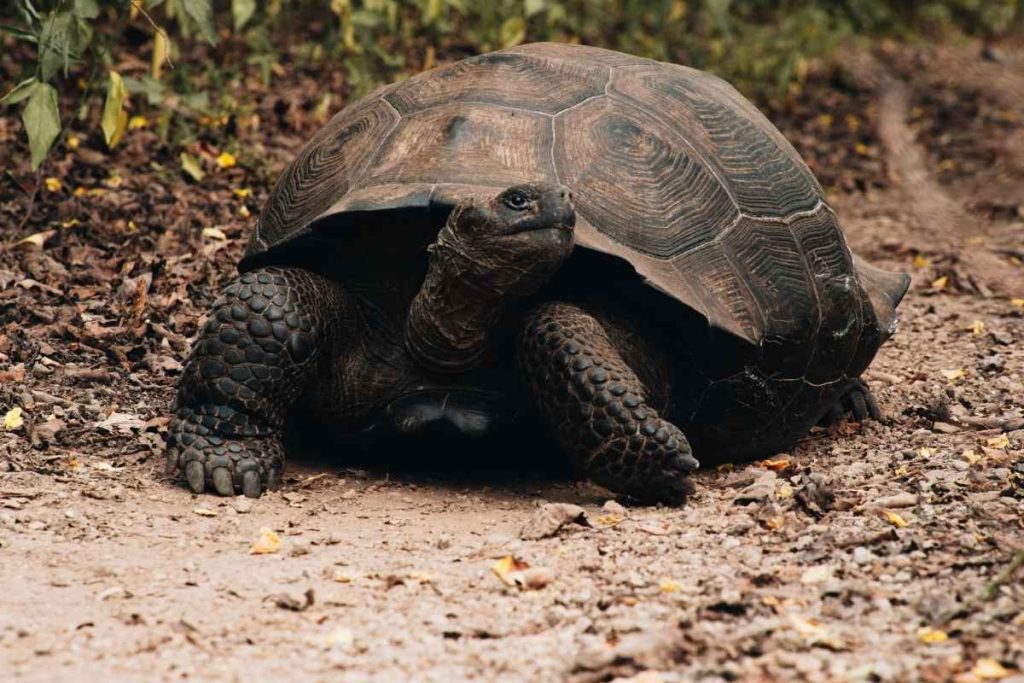
- Endemic: Yes
- Lifespan: Over 100 years
- Habitat: Highlands and arid zones
- Why It’s Special: One of the most iconic symbols of evolution
Watching a giant tortoise move slowly through the highlands is like stepping back in time.
Marine Iguana
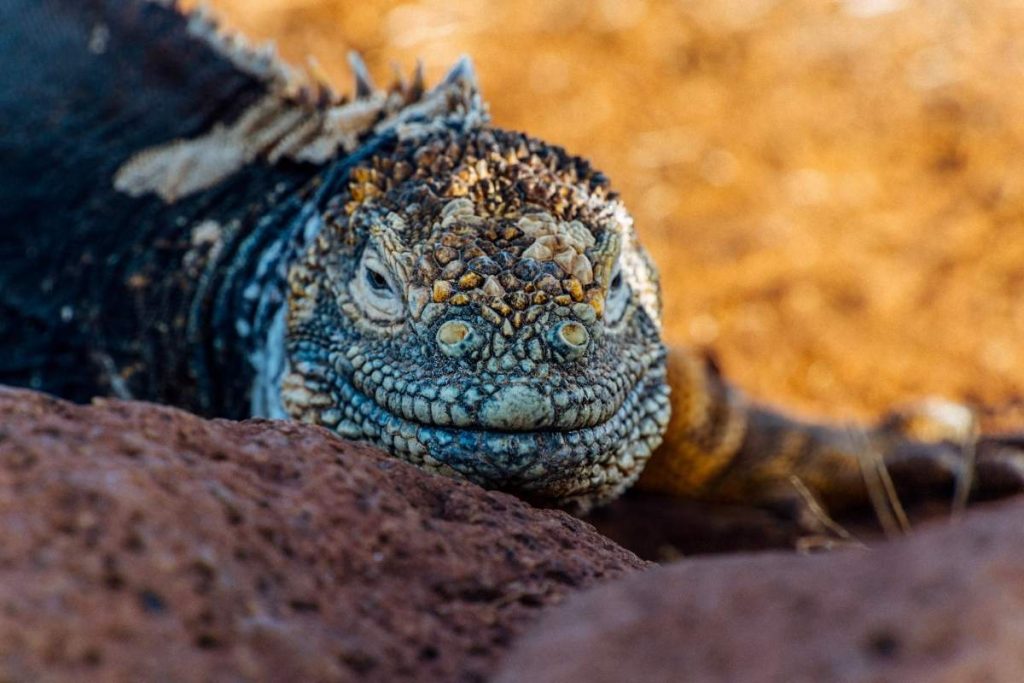
- Unique Fact: The only sea-going lizard in the world
- Habitat: Rocky shorelines
- Behavior Highlight: Dives to graze on underwater algae
Often seen basking on black lava rocks, these prehistoric-looking reptiles are found nowhere else on Earth.
Blue-footed Booby
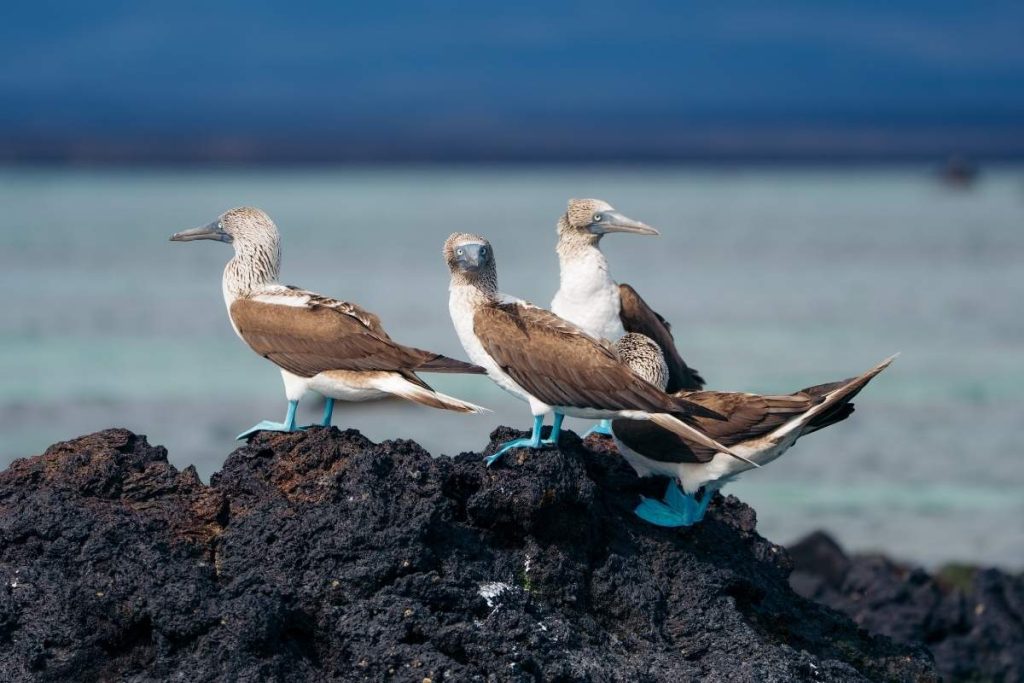
- Known For: Bright blue feet
- Behavior Highlight: Elaborate courtship dance
- Best Viewing: Coastal nesting colonies
Their playful mating ritual is one of the Galapagos’ most photographed wildlife spectacles.
Galapagos Penguin
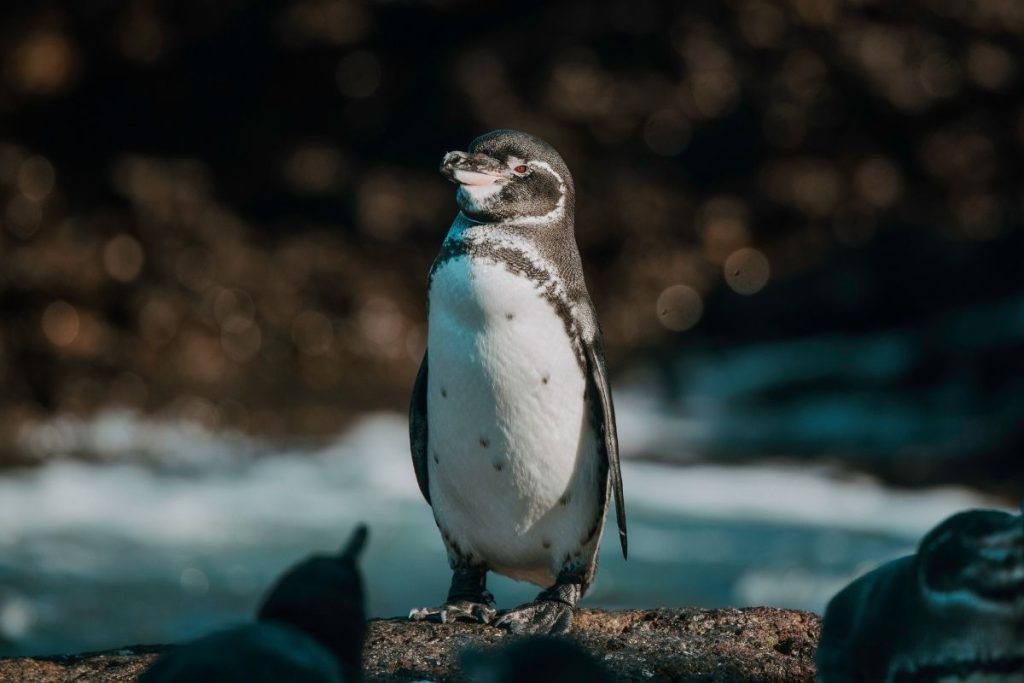
- Status: Endangered
- Unique Feature: Only penguin species found north of the equator
- Best Viewing: Western islands
Seeing penguins near the equator is one of the archipelago’s most surprising wildlife experiences.
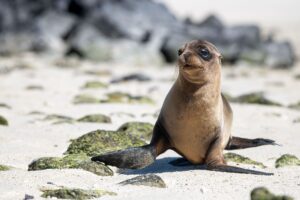
Galapagos Sea Lion
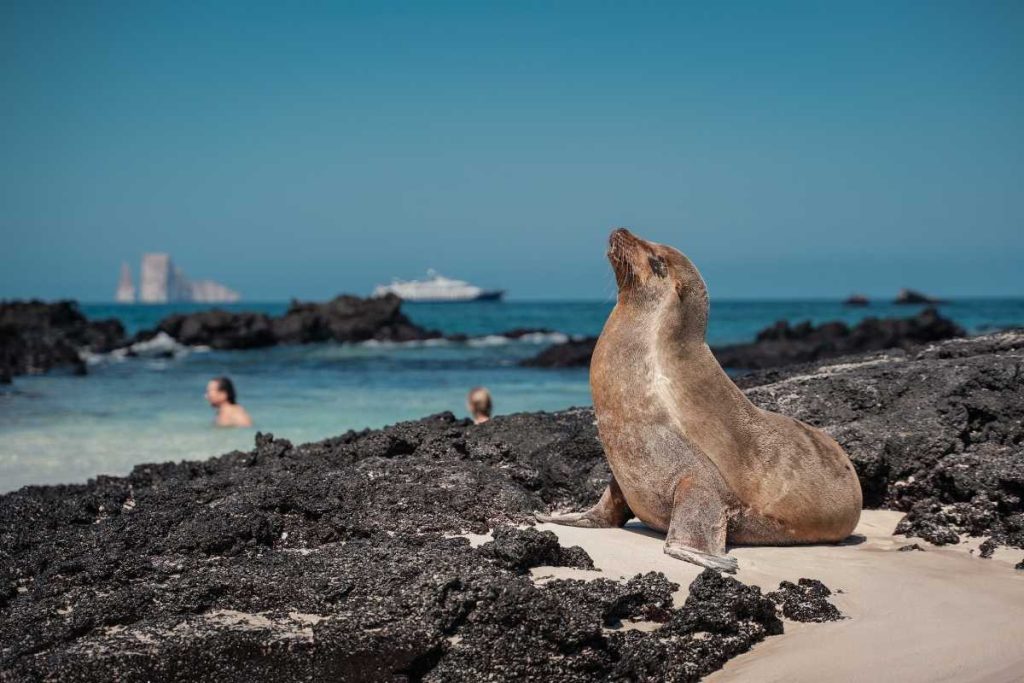
- Personality: Curious and playful
- Best Experience: Snorkeling encounters
- Habitat: Beaches and rocky shores
Sea lions often swim alongside snorkelers, creating magical underwater interactions.
Galapagos Hawk
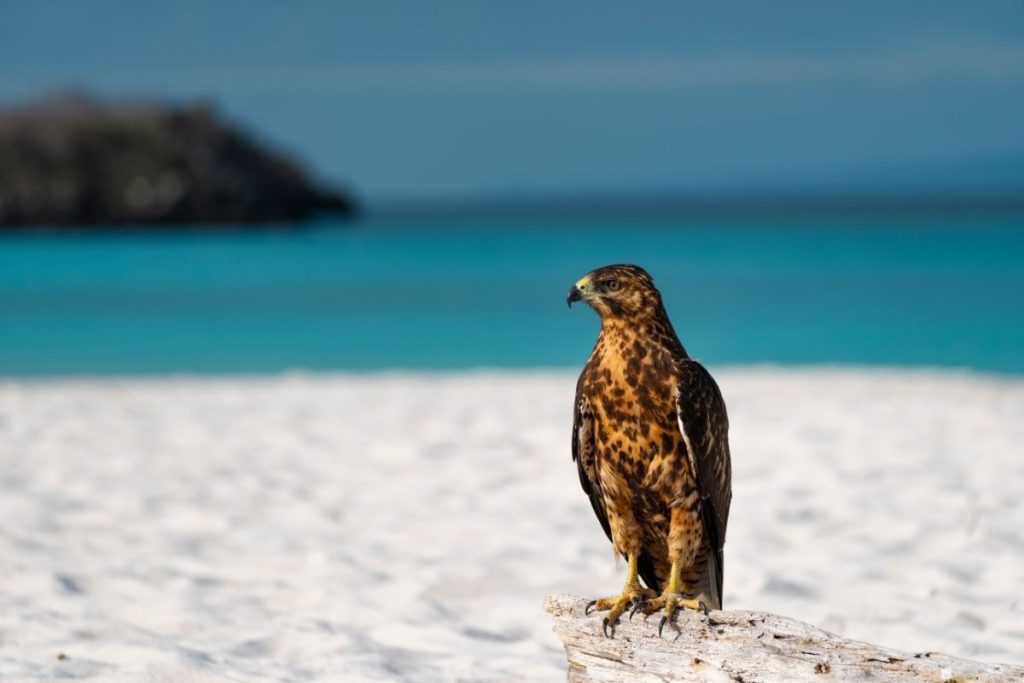
- Role: Apex predator of the islands
- Habitat: Dry inland zones
- Why It Matters: Vital part of the ecological balance
Spotting this powerful raptor offers insight into the islands’ food chain dynamics.
Best Time for Wildlife in the Galapagos
Wildlife is present year-round, but seasonal conditions influence activity.
Warm Season (December–May)
- Calmer seas
- Excellent snorkeling visibility
- Active bird nesting
Cooler Season (June–November)
- Nutrient-rich waters
- Increased marine life activity
- Dramatic seabird feeding frenzies
There is no “bad” season — only different highlights.
Why Luxury Matters for Wildlife Travel

We have said it before: In the Galapagos, luxury is not about excess, it’s about seamless immersion.
After full days hiking volcanic trails and snorkeling among sea lions, returning to refined comfort enhances the expedition without overshadowing it.
Being a member of Relais & Châteaux signals a commitment to culinary excellence and hospitality standards rarely found in expedition cruising.
True luxury wildlife travel means:
- Expert guides
- Thoughtful pacing
- Personalized service
- Quiet evenings under the stars
- Sustainable operations
Conservation & Responsible Wildlife Tourism
The Galapagos National Park strictly regulates visitor numbers, landing sites, and wildlife interaction distances. Responsible cruise operators embrace these guidelines fully.
Ecoventura has long supported conservation initiatives in the archipelago and, in 2017, partnered with the Charles Darwin Foundation and the Galapagos National Park Service to help establish the Galapagos Biodiversity & Education for Sustainability Fund (GBESF).
Since its inception, more than $800,000 has been raised to support scientific research, environmental education, invasive species control, and marine protection efforts — ensuring the long-term preservation of the islands’ fragile ecosystems.
Wildlife encounters here are governed by respect:
- No touching animals
- Maintain required distance
- Guided excursions only
- Leave no trace
Choosing the best Galapagos cruise for wildlife also means choosing one aligned with conservation principles.
So, What Is the Best Galapagos Cruise for Wildlife?

The answer isn’t found in cabin square footage or onboard entertainment.
The best wildlife cruise offers:
- Small guest capacity
- Elite naturalist guides
- Wildlife-rich itineraries
- Sustainability leadership
- Decades of operational expertise
When you look back on your journey, you won’t remember the size of your suite. You’ll remember:
- A sea lion gliding beside you underwater
- A penguin darting through cold currents
- A giant tortoise crossing your path
- A guide explaining how evolution shaped it all
That is the true measure of the best Galapagos cruise for wildlife.
FAQs
The best wildlife cruise combines small ship size, expert naturalist guides, and carefully designed itineraries that maximize encounters with endemic species across multiple ecosystems.
Yes. Wildlife is present throughout the year, though seasonal changes influence marine activity, bird nesting, and ocean conditions.
Yes. Smaller ships allow more intimate landings, fewer guests per guide, flexible timing, and reduced environmental impact — all of which enhance wildlife encounters.
Wildlife here evolved without fear of humans, allowing remarkably close encounters. However, strict park regulations require maintaining respectful distances.
Western islands tend to offer the richest marine biodiversity, while central and highland islands provide iconic land species like sea lions and giant tortoises.
Embark on the experience of your lifetime
With 35 years of continuous operation in the Galapagos, Ecoventura brings unmatched institutional knowledge of seasonal wildlife patterns, park regulations, and expedition logistics — expertise that directly enhances every wildlife encounter.
We offer two distinct and comprehensive seven-night itineraries, setting sail every Sunday to explore the awe-inspiring outer islands of the Galapagos archipelago. For the ultimate Galapagos adventure, these two itineraries seamlessly combine into an extraordinary two-week journey, allowing you to discover every corner of these remarkable islands.