

Playful, curious, and unafraid of human presence, Galapagos sea lions are among the most iconic and entertaining residents of the Galapagos Islands. Encounters with these marine mammals are often a highlight for visitors, offering an up-close look at their dynamic behavior both above and below the water’s surface.
This guide explores where and how to see them, what makes them unique, and how to ensure your visit helps preserve their extraordinary habitat.
Meet the Galapagos Sea Lions
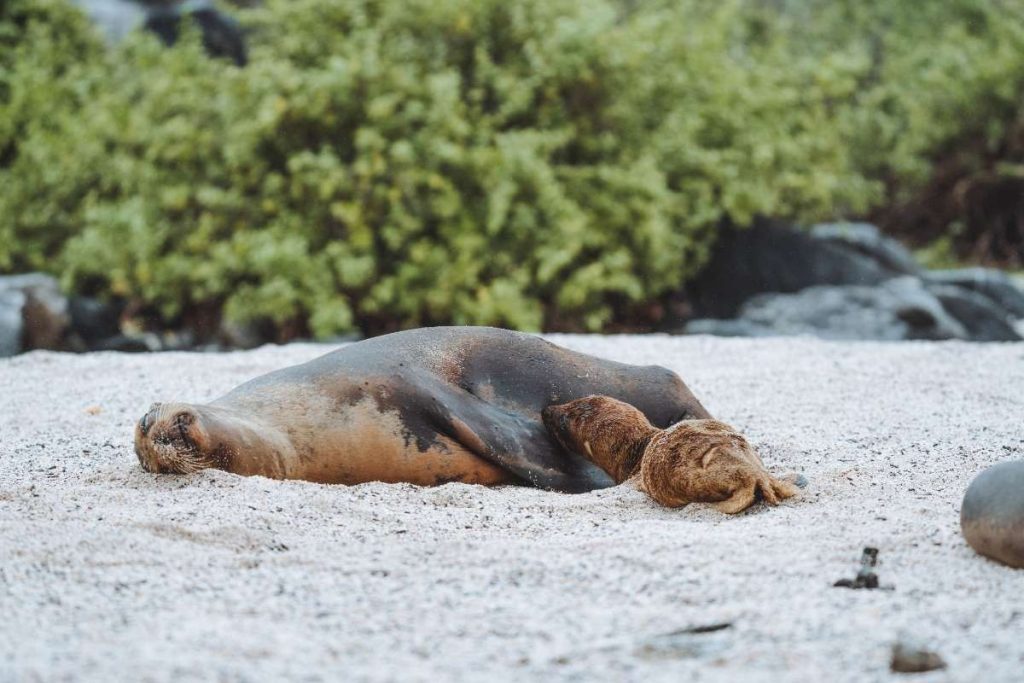
Galapagos sea lions (Zalophus wollebaeki) are a species unique to this archipelago, endemic to the Galapagos and genetically distinct from their Californian relatives. Known for their sociable nature, they often gather in large colonies on sandy beaches or rocky shorelines. Visitors are frequently delighted to see them lounging lazily in the sun, barking at one another, or gliding gracefully through coastal waters.
Their approachable demeanor and frequent interactions with snorkelers have earned them a beloved status among travelers and researchers alike. Whether basking on the docks of Puerto Ayora or weaving through coral reefs, sea lions seem to embrace the spotlight.
How They Differ from Other Marine Mammals
Unlike fur seals or dolphins, Galapagos sea lions exhibit a fascinating duality in their behavior. On land, they move clumsily, yet in the water, they transform into agile swimmers, capable of astonishing speed and acrobatics. Their visible ear flaps and ability to walk on land using their front flippers also help differentiate them from true seals.
They are pinnipeds—like seals and walruses—but what sets them apart, beyond biology, is their unique adaptation to the isolated ecosystem of the Galapagos. This isolation has led to behaviors rarely observed in sea lions elsewhere, including bold, frequent interactions with humans in the water.
Where You’re Most Likely to Spot Them
Sea lions are widely distributed across the archipelago, but some islands offer more reliable sightings. Española, San Cristóbal, and North Seymour are particularly popular haul-out sites. Visitors traveling aboard Ecoventura’s luxury expedition yachts often have daily opportunities to observe sea lions in their natural habitats—from sun-drenched beaches to secluded coves teeming with marine life.
Swimming with Sea Lions in Galapagos
There’s something truly unforgettable about sharing the ocean with a Galapagos sea lion. Their curiosity and confidence make swimming alongside them feel more like a shared adventure than a wildlife sighting.
What to Expect During a Snorkeling Encounter
One of the most thrilling moments of any Galapagos adventure is swimming with sea lions. These marine mammals are naturally curious and often approach snorkelers with playful enthusiasm. They dart through the water, blowing bubbles and spinning in circles, seemingly inviting humans to join their underwater games.
While their behavior is generally friendly, it’s essential to remember they are wild animals. Keeping a respectful distance allows them to engage on their own terms—and makes the interaction all the more magical.

Top Locations for Close-Up Marine Encounters
Top snorkeling sites like Champion Islet near Floreana, Punta Vicente Roca on Isabela, and Gardner Bay on Española are renowned for close sea lion encounters. These waters offer the perfect combination of calm conditions and abundant marine life, making them ideal for unforgettable wildlife moments.
Guests on Ecoventura’s intimate, small-group cruises often snorkel in these areas under the supervision of expert guides, ensuring a safe and respectful experience for both travelers and wildlife.
When Is the Best Time to See Sea Lions in Galapagos?
Timing your visit right not only increases your chances of meaningful encounters but also allows you to witness different aspects of sea lion life—from territorial males to nursing pups. Each season offers something special, depending on whether you’re drawn to underwater exploration or shoreline observation.
Seasonal Behaviors and Breeding Patterns
Galapagos sea lions can be seen year-round, but understanding their seasonal cycles can enhance your visit. Breeding season runs from August to December, when dominant males establish harems and pups are born. During these months, beaches are bustling with activity—mating rituals, territorial displays, and the endearing presence of newborns.
Outside of the breeding season, sea lions are more dispersed and social dynamics shift—juveniles and subadult males often gather in playful groups, both on land and in the water, offering great opportunities to observe their curious and energetic behavior up close.
Tips for Planning Your Wildlife Adventure
To maximize your Galapagos wildlife experience, plan ahead and choose the right time based on your interests. If you’re hoping to see playful pups, late in the breeding season is ideal. If you’re focused on underwater experiences, calmer waters from January to May offer excellent visibility for snorkeling.
Booking with a reputable operator guarantees access to expert guidance, sustainable travel practices, and thoughtfully crafted itineraries that bring you face-to-face with the archipelago’s most charismatic creatures.
A Broader Galapagos Wildlife Experience
The sea lions are just the beginning of what’s possible in the Galapagos. Each island introduces you to new species and ecosystems, making every stop on your itinerary a new chapter in an extraordinary natural story.
Pinnipeds and Their Co-inhabitants
While sea lions may steal the show, they share their island homes with an astonishing array of species. Galapagos fur seals, though more elusive, can sometimes be spotted napping in shaded rock crevices. Marine iguanas, flightless cormorants, and green sea turtles all play their roles in this vibrant ecosystem, offering travelers a complete and multifaceted wildlife encounter.

Why the Galapagos Ecosystem Is Unlike Any Other
What makes the Galapagos truly exceptional is its isolation and the lack of natural predators, which has led to unusually fearless animal behavior. Sea lions, birds, reptiles, and fish coexist in ways rarely seen elsewhere. This fragile balance, though, is easily disrupted, making responsible tourism more important than ever.
From the Screen to the Sea: Inspired by “Sea Lions of the Galapagos”
Documentaries like Sea Lions of the Galapagos have brought global attention to these fascinating creatures. Watching them glide through crystalline waters or tend to their pups on remote beaches has inspired countless viewers to seek out their own encounters.
But there’s no substitute for the real thing. Being in the Galapagos—hearing the bark of a sea lion echo off volcanic cliffs or watching them twist mid-dive beside you—is an experience that transcends film.
Responsible Travel: Protecting Wildlife and Their Habitat
Sustainable travel ensures that the unique biodiversity of the Galapagos can continue to thrive. By choosing Ecoventura, guests directly support conservation while enjoying a once-in-a-lifetime journey. Learn more here
Ecotourism Best Practices
Travelers play a crucial role in protecting the Galapagos. Following national park rules, maintaining safe distances from wildlife, and avoiding single-use plastics are just a few ways to minimize your impact. Traveling with companies that prioritize sustainability ensures your visit contributes to conservation, not degradation.
How Ecoventura Supports Conservation in the Galapagos
Ecoventura is deeply committed to preserving the fragile ecosystems of the Galapagos. From operating eco-friendly yachts to supporting marine conservation initiatives and local communities, every voyage is designed with sustainability in mind. With onboard naturalists, strict visitor protocols, and carbon offset programs, it helps protect sea lions—and all wildlife—for future generations.