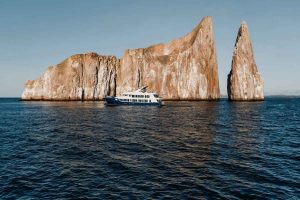


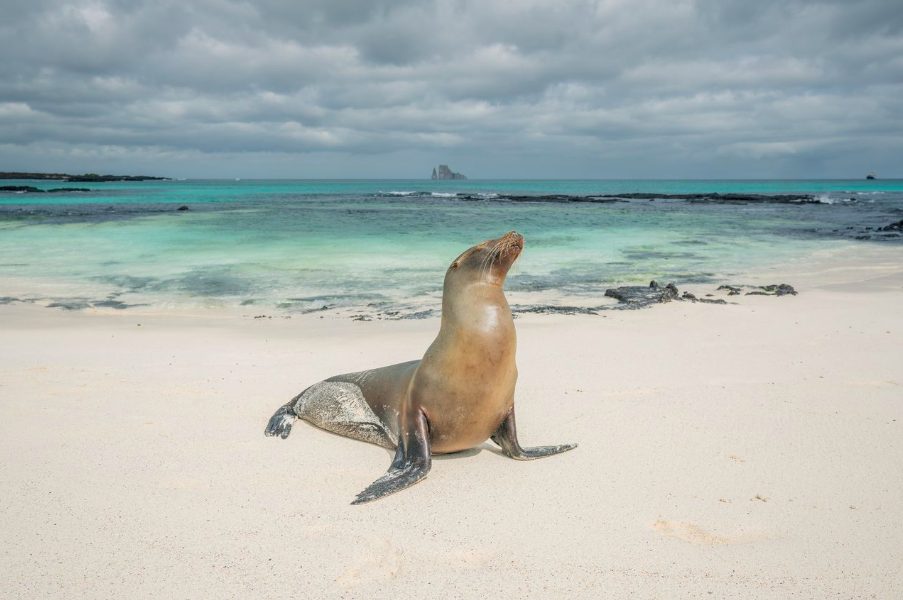
The Galapagos Islands hold a special place in the world of conservation. Recognized as the first UNESCO World Heritage site in 1978, this extraordinary archipelago continues to garner accolades and set the standard for environmental preservation. With its unique blend of terrestrial and marine ecosystems, the Galapagos remains a beacon of biodiversity and a prime example of what dedicated conservation efforts can achieve.
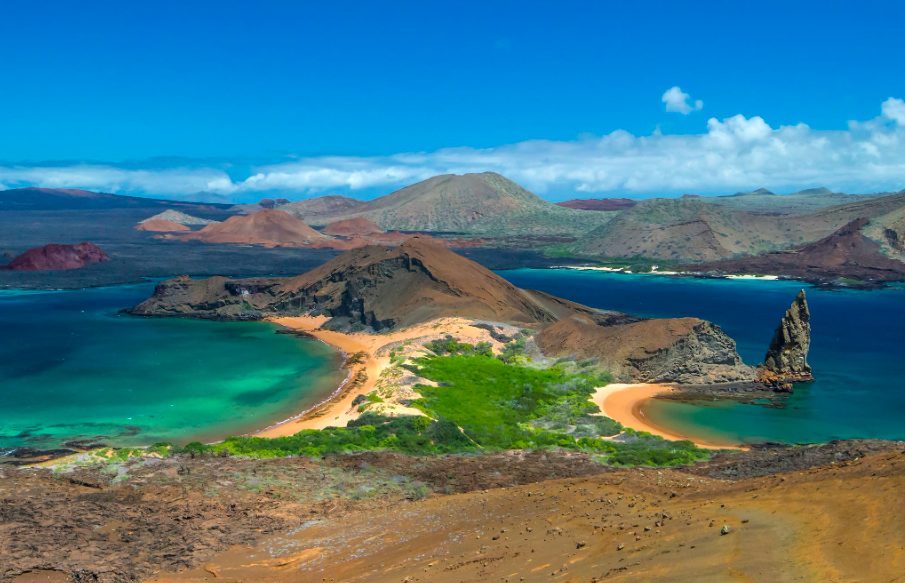
The UNESCO Legacy in the Galapagos
When the Galapagos National Park was inscribed as the first UNESCO World Heritage site, it marked a significant milestone not just for Ecuador but for global conservation efforts. This archipelago, located about 600 miles off the coast of Ecuador, is renowned for its diverse array of native flora and fauna, many of which are found nowhere else on Earth. The Galapagos Marine Reserve, added to the World Heritage list in 2001, further solidified the islands’ status as a critical habitat. This vast marine reserve, spanning approximately 133,000 square kilometers, was expanded in 2022 with the creation of La Hermandad Marine Reserve, which aims to protect migratory species like whale sharks and hammerhead sharks.
These islands are not just a refuge for wildlife but a living laboratory where evolution can be observed in real time. The Galapagos’ unique ecosystems are influenced by ocean currents that bring nutrient-rich waters, supporting a dazzling diversity of marine life. As one of the world’s largest biosphere reserves, the Galapagos plays a crucial role in global conservation.
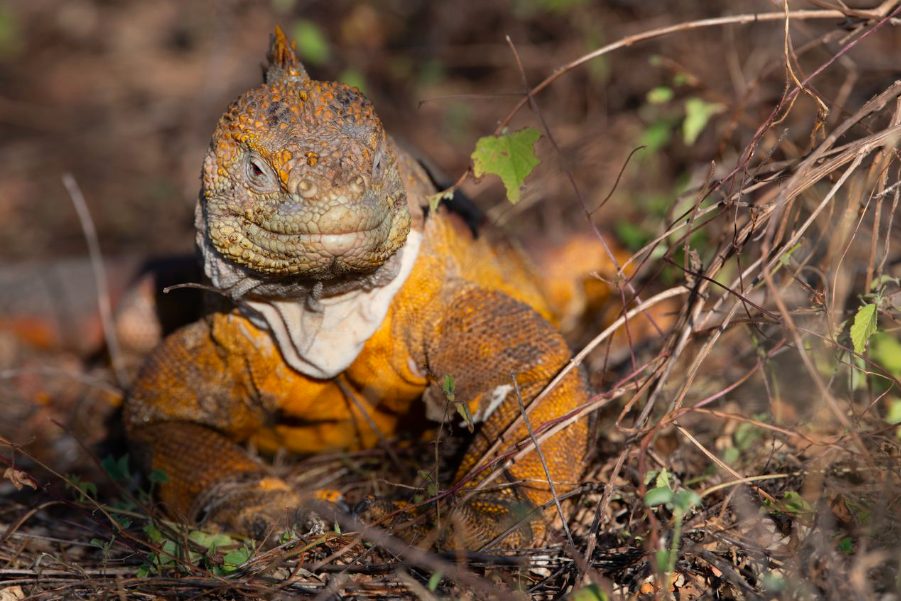
What is a UNESCO World Heritage Site?
A UNESCO World Heritage Site is a place of special cultural or physical significance that is recognized by the United Nations Educational, Scientific and Cultural Organization (UNESCO). These sites are considered important for the collective interests of humanity and are protected by international treaties. The goal of UNESCO’s World Heritage program is to ensure the preservation of these sites for future generations, acknowledging their value not only to the country in which they are located but to the world as a whole.
Recent Changes and Conservation Efforts in the Galapagos
In an effort to promote sustainable tourism and protect the delicate ecosystems of the Galapagos, the Governing Council of the Galapagos Special Regime recently approved an increase in the entry fee for the Galapagos National Park. As of August 1, 2024, the fee has doubled from $100 to $200 for adults, and from $50 to $100 for children under 11. For Ecuadorian nationals, the fee is set at $30.
This decision was made in response to the growing need to stabilize tourism numbers and align with ongoing conservation efforts. The UNESCO “State of Conservation Report” highlighted the importance of controlling the volume of tourism to ensure the well-being of both the ecosystem and the local communities. By increasing the entry fee, the authorities aim to foster a model of tourism that is not only sustainable but also capable of contributing positively to the local economy.
Moreover, this change comes in the wake of a formal request by the Center for Biological Diversity, which urged that the Galapagos UNESCO World Heritage site be listed as “in danger” due to threats like illegal fishing, irresponsible tourism, pollution, invasive species, and poor management. The new fee structure is part of a broader strategy to address these concerns and ensure the long-term preservation of the islands.
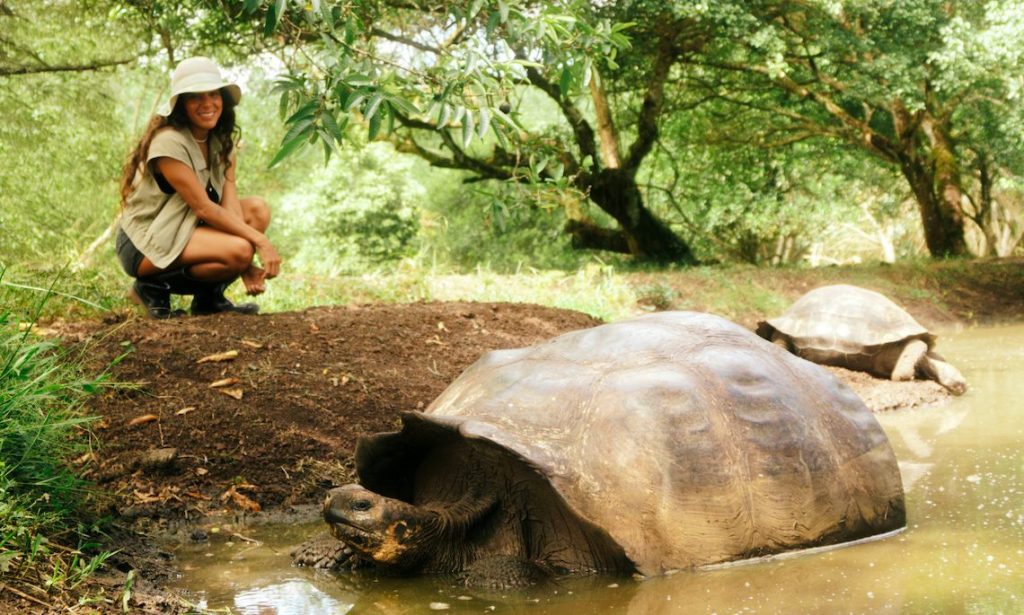
The Beauty and Importance of the Galapagos
The Galapagos Islands are not just another travel destination; they are a symbol of the natural world’s incredible beauty and resilience. Conde Nast Traveler recently recognized the Galapagos as one of the 39 most beautiful places in the world, a testament to their global significance. From the fascinating wildlife to the stunning landscapes, every visit to the archipelago is a reminder of why these islands deserve the highest levels of protection.
As we celebrate the addition of new sites to the UNESCO World Heritage list, it’s important to remember that preserving these treasures requires ongoing commitment and effort. The Galapagos, with its rich history and biodiversity, will continue to inspire and educate future people around the world about the importance of conservation.
Ecuador’s World Heritage Gems
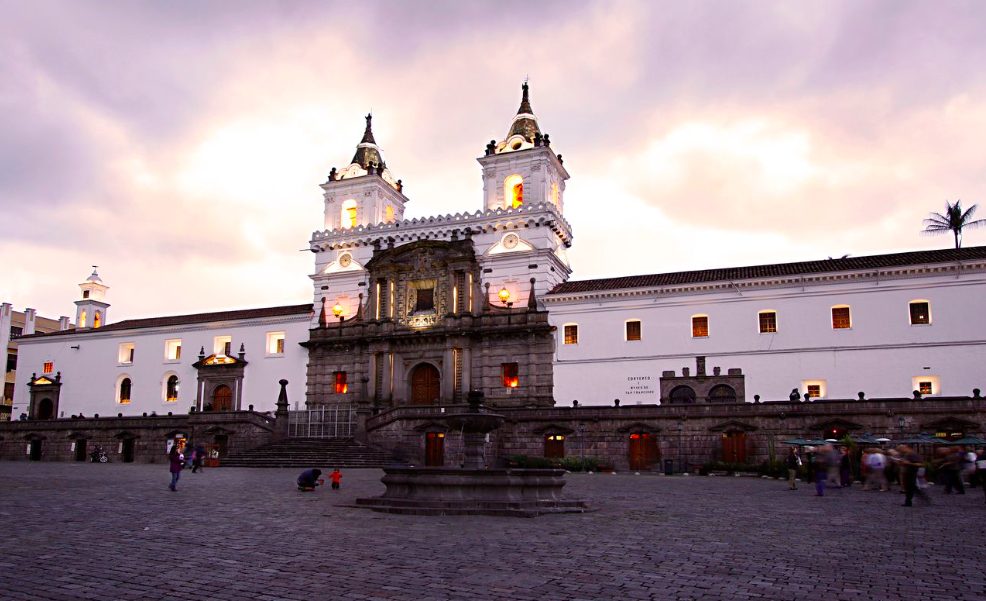
Ecuador is home to five UNESCO World Heritage sites, each offering a unique glimpse into the country’s natural and cultural heritage. In addition to the Galapagos Islands, these include:
City of Quito (1978):
A well-preserved historical center, showcasing Spanish colonial architecture.
Sangay National Park (1983):
A diverse park featuring tropical rainforests, glaciers, and active volcanoes.
Historic Centre of Santa Ana de los Rios de Cuenca (1999):
Known for its beautiful blend of European and native Andean architecture.
Qhapaq Ñan, Andean Road System (2014):
A vast network of roads that connected the Inca Empire across South America.
In addition to these recognized sites, Ecuador has five more locations on the tentative list for UNESCO consideration, underscoring the country’s rich cultural and natural heritage.
By visiting the Galapagos responsibly, you’re embarking on an unforgettable adventure while also contributing to the preservation of one of the world’s most precious natural wonders. Ecoventura is dedicated to conservation and minimizing environmental impact. Our luxury expedition yachts offer an intimate and sustainable way to explore the islands’ breathtaking beauty, ensuring these unique ecosystems are protected for future generations.