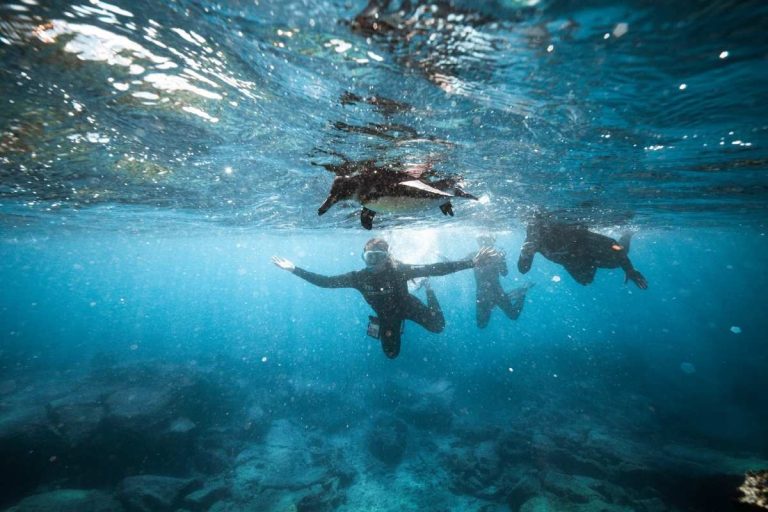


The Galapagos Islands are a living showcase of evolution, home to some of the most unique wildlife on the planet. Isolated for millions of years, this volcanic archipelago has given rise to species found nowhere else on Earth. Whether you’re hiking across lava fields or snorkeling alongside sea creatures, encountering Galapagos wildlife in their natural habitat is nothing short of magical.
Here are 10 extraordinary animals you can only see in the Galapagos—and why they deserve a spot on every nature lover’s bucket list.
1. Marine Iguana

The marine iguana is the only lizard in the world that swims in the ocean. With their flattened tails and sharp claws, these reptiles have adapted perfectly to life on the rocky shores, feeding on algae underwater. Often spotted sunbathing in large groups, they expel excess salt through their nostrils in an unmistakable “sneeze.”
Seeing marine iguanas lounging on lava rocks or gliding gracefully through the surf is a surreal experience. Ecoventura’s itinerary B Volcanic Wonders brings guests close to their favorite sunbathing spots.
2. Galapagos Tortoise

The Galapagos tortoise is one of the most iconic residents of the islands. These gentle giants can live over 100 years and weigh up to 900 pounds. Their massive shells and slow, deliberate movements make them symbols of longevity and resilience.
Each island hosts slightly different subspecies, shaped by their unique environments. Visiting breeding centers, such as those on Santa Cruz or San Cristóbal, offers an up-close look at vital conservation efforts. Learn More about Ecoventura’s Conservation Efforts
3. Flightless Cormorant
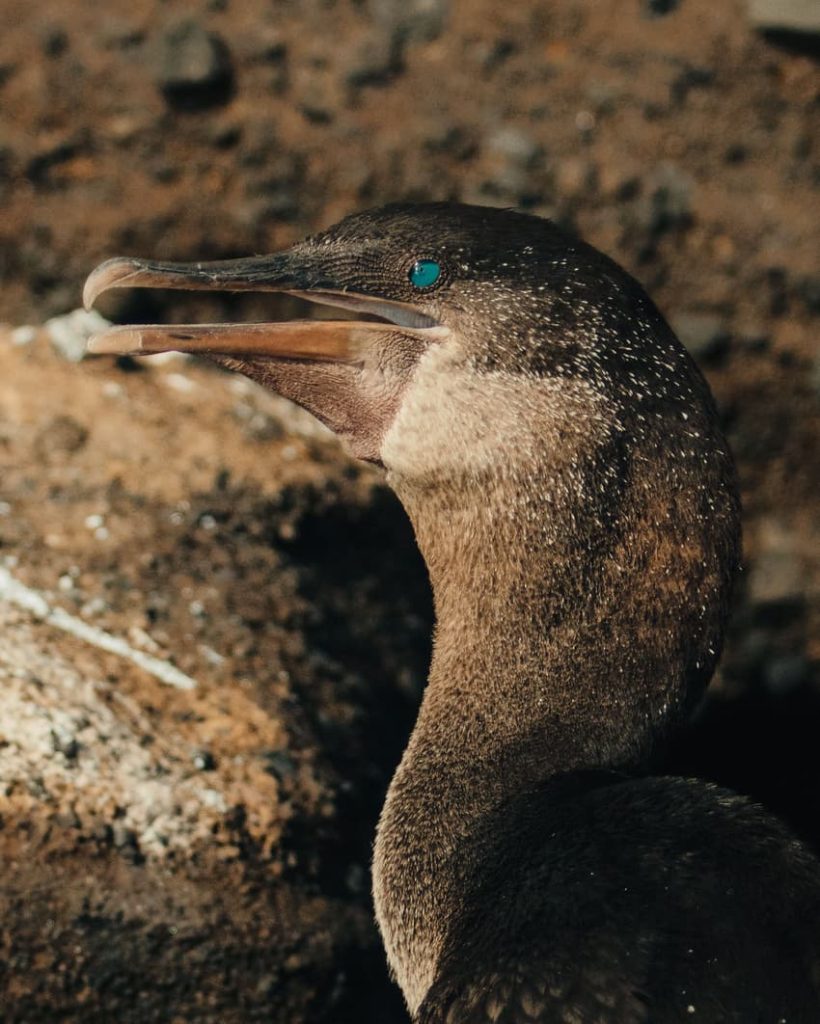
Found only on Fernandina and the western coast of Isabela Island, the flightless cormorant has evolved into a powerful swimmer. With its tiny wings and strong legs, this bird has traded flight for diving prowess, catching fish and octopuses beneath the surface.
Its adaptation is a striking example of evolution in action, one of the many reasons the Galapagos inspired Charles Darwin’s groundbreaking theories.
4. Blue-Footed Booby

Famous for their vibrant blue feet and whimsical mating dance, blue-footed boobies are both amusing and captivating. Males lift their feet high to attract mates, creating a dance routine that’s hard to forget.
They’re often seen diving headfirst into the ocean in perfect synchrony, hunting for fish. Ecoventura’s small-group cruises provide excellent opportunities to observe these birds up close without disturbing their natural behavior.
5. Galapagos Penguin
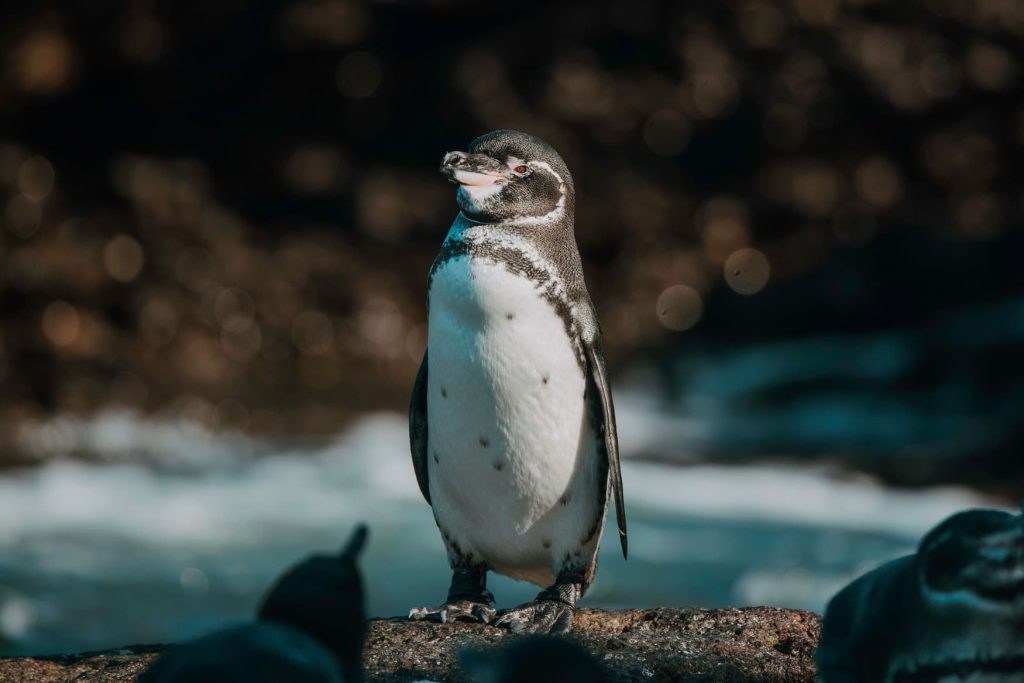
The Galapagos penguin is the only species of penguin found north of the equator. Adapted to warm climates thanks to the cold Humboldt and Cromwell currents, these pint-sized penguins often nest in coastal crevices and caves.
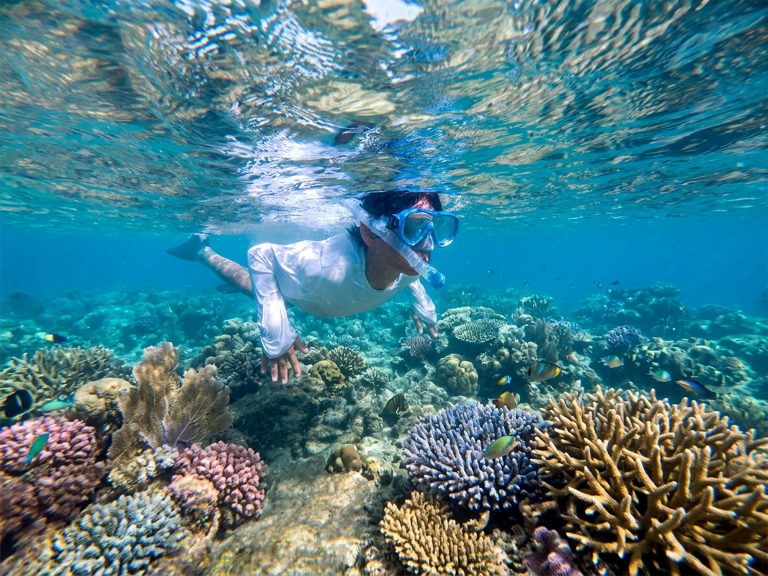
Snorkeling near Fernandina, Isabela, Sombrero Chino or Bartolomé Island may reward you with the unforgettable sight of a Galapagos penguin darting past underwater—swift, agile, and surprisingly playful.
6. Lava Lizard

Lava lizards come in several endemic species across different islands. With vibrant coloration and distinctive head-bobbing displays, they’re a common—but fascinating—sight on sun-drenched rocks and trails.
Males are typically larger and more territorial, while females can be identified by a red throat patch. Their adaptability across varied environments makes them an ideal subject for evolutionary study.
7. Galapagos Sea Lion
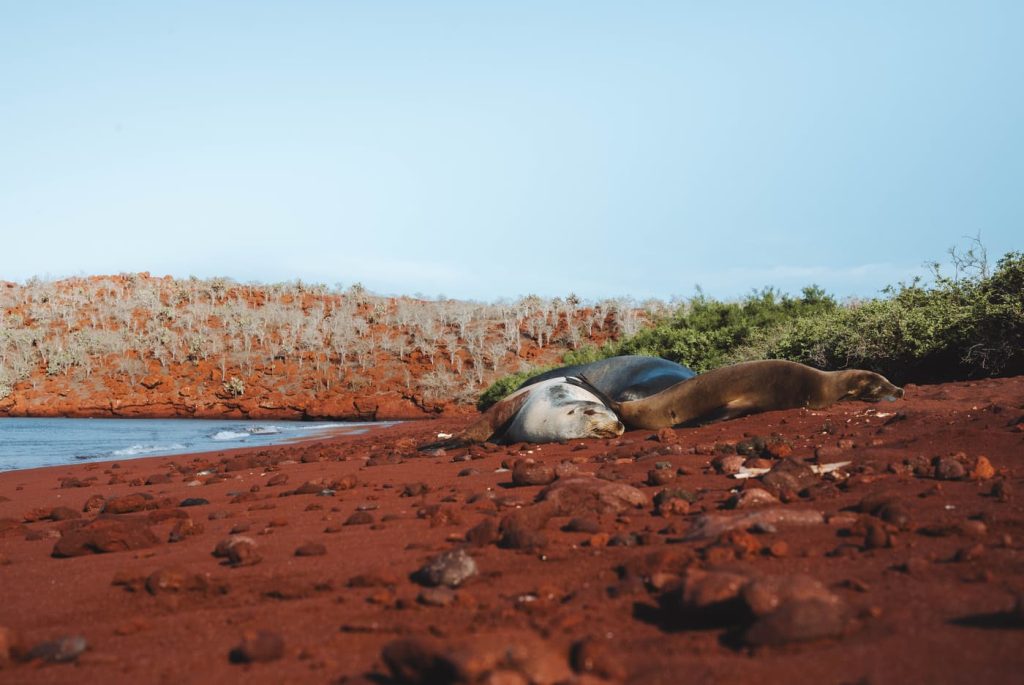
Curious and sociable, Galapagos sea lions are a highlight of any visit. Found lounging on beaches, piers, and even benches, these marine mammals are known for their playful nature and fearless interaction with humans.
Snorkeling alongside them is a highlight of many Galapagos adventures. If you’re lucky, a pup might spin circles around you just for fun.
8. Land Iguana

The Galapagos land iguana is a remarkable species commonly spotted on South Plaza and Cerro Dragón. With its golden-yellow scales and robust build, this iguana stands out against the arid landscape and thrives among the prickly pear cacti, which make up a large part of its diet.
While not exclusive to one island, the land iguana has uniquely adapted to the environment of each location where it’s found—making it an iconic and important part of the Galapagos ecosystem.
9. Galapagos Hawk
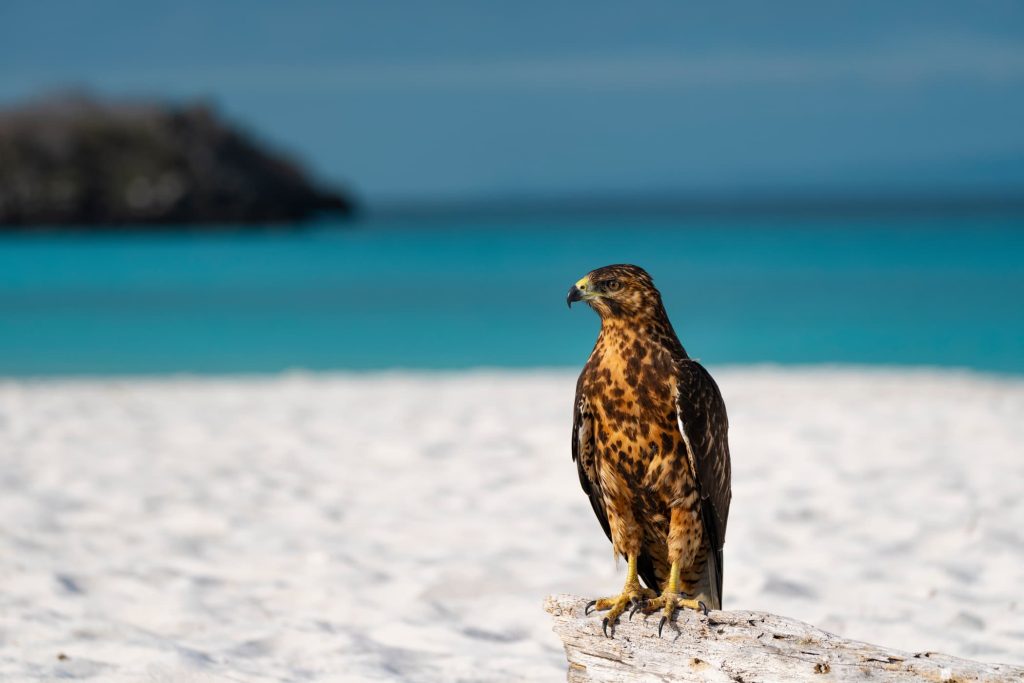
As the archipelago’s apex predator, the Galapagos hawk plays a crucial role in maintaining ecological balance. With sharp talons and keen eyesight, it feeds on insects, small reptiles, and even carrion.
Once heavily threatened, populations are still limited to a few islands, making any sighting a memorable experience. They often perch in silence, surveying their territory with regal confidence.
10. Darwin’s Finches

Made famous by Charles Darwin, these small birds are a testament to the power of natural selection. With over a dozen species adapted to different feeding habits, their beak shapes vary dramatically depending on their preferred food source.
From ground finches that crack seeds to cactus finches with long, probing beaks, watching them in action is like observing evolution in real time.
How to Experience Galapagos Wildlife Responsibly
Protecting these unique species means ensuring that tourism in the Galapagos is as low-impact as possible. Responsible travel helps preserve the archipelago’s fragile ecosystems for generations to come.
Choosing the Right Galapagos Cruise or Tour
The best way to see the full diversity of Galapagos wildlife is through a liveaboard cruise. Many animals, such as the flightless cormorant or the Santa Fe land iguana, are only found on specific islands. Cruises like those offered by Ecoventura are carefully designed to reach remote visitor sites while limiting environmental impact.If you’re interested in marine life, some cruises also offer opportunities fordiving—with potential encounters with Galapagos hammerhead sharks. Diving with these majestic creatures is one of the most thrilling experiences in the archipelago. Hammerhead sharks in the Galapagos are often spotted near Darwin and Wolf Islands, and responsible tour providers ensure safe, ethical viewing. Discover More here