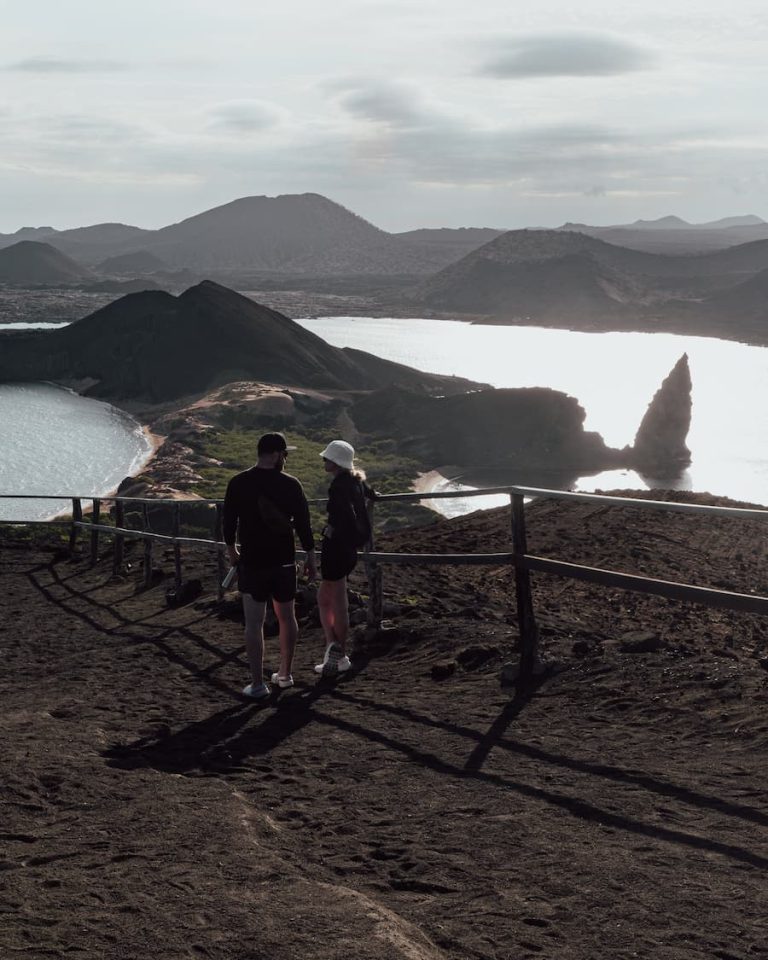


Sitting right on the equator, the Galapagos Islands are a remarkable year-round destination where nature, geology, and wildlife converge. Thanks to its unique location, the Galapagos experiences no extreme weather, and the islands are teeming with life every month of the year. Whether you’re fascinated by volcanic landscapes, curious about the origins of species, or eager to explore the ocean’s wonders, there’s no “bad” time to visit these iconic islands.
Although there are two distinct seasons—the hot, rainier season from December to May and the cooler, drier season from June to November—the wildlife remains abundant and easy to spot at any time of year. You can plan your trip based on what interests you most. For example, June to November is ideal for whale watching, while the early months of the year bring the marine iguana mating season. But for those seeking a quieter and more intimate experience, the off-season from August to November offers its own set of incredible advantages.
While the Galapagos Islands are extraordinary year-round, the off-season (August to November) is a hidden gem for many travelers. This period brings with it cooler temperatures and a wealth of wildlife activity both on land and underwater, but there’s so much more to it.
1. Smaller Crowds, More Serenity
The off-season sees fewer visitors, allowing you to experience the Galapagos with more privacy and tranquility. Imagine exploring stunning landscapes, pristine beaches, and iconic wildlife with fewer people around. It’s the perfect time for those looking for a more relaxed, personal experience without sacrificing the incredible beauty and adventure that the Galapagos offers.
2. Potential Savings
Another great reason to visit during the off-season is the potential savings. Cruises, accommodations, and flights tend to be more affordable between August and November, offering travelers the chance to explore the Galapagos on a lower budget without compromising on quality. With fewer people traveling at this time of year, deals and discounts are often more readily available. If you’ve always dreamed of a luxury Galapagos cruise, this could be your opportunity.
3. Incredible Whale and Dolphin Sightings
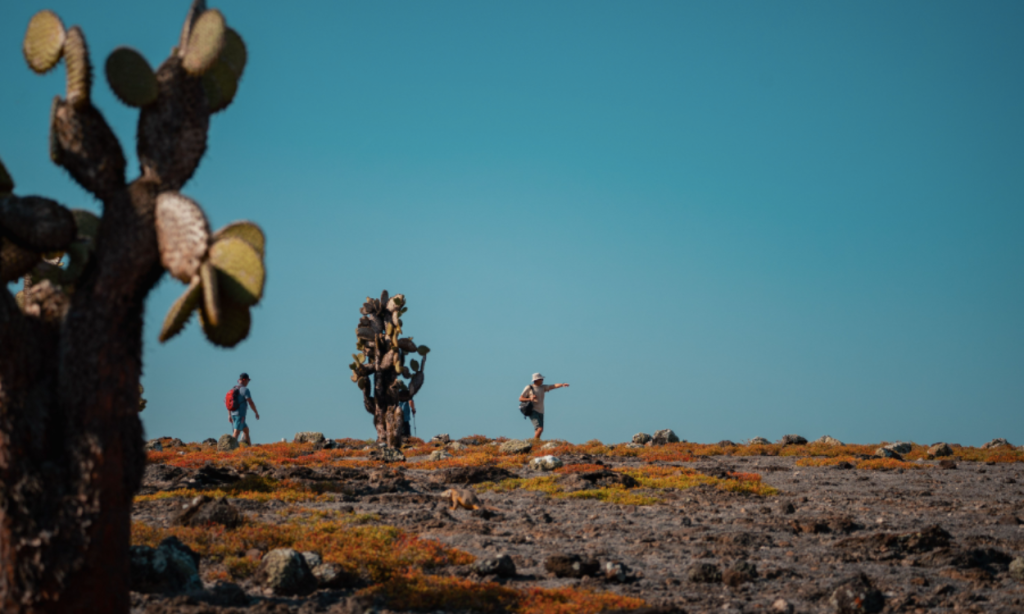
One of the highlights of the off-season is the increased likelihood of seeing whales and dolphins. From mid-August through October, these majestic marine creatures are more active, making this the best time of year for whale watching. As you sail around the islands, you could witness dolphins playing in the waves or even spot a whale breaching in the distance—a breathtaking experience that makes any trip unforgettable.
4. Wildlife at Every Stage of Life
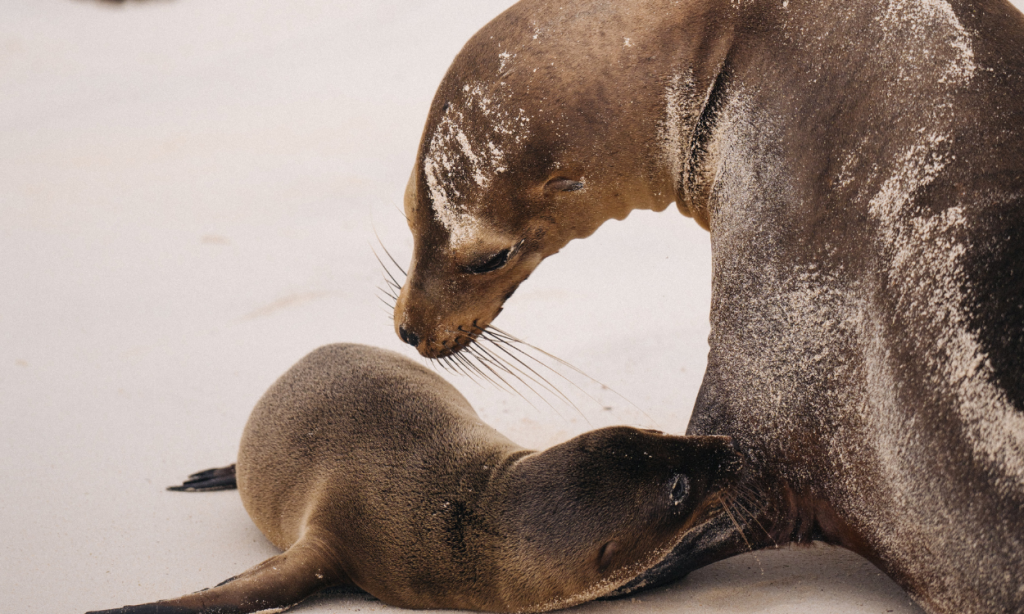
The Galapagos Islands are famous for their incredible wildlife, and the off-season is no exception. Many species are in different stages of their life cycles, offering unique opportunities to see animals in action. You might spot blue-footed boobies or Nazca boobies courting and nesting, sea lion pups playing along the shores, or giant tortoises mating in the highlands. It’s also common to see young chicks and newborns, as well as sea turtles and sea lions engaged in their reproductive cycles. This vibrant display of life makes every excursion a chance to witness nature up close.
5. Thriving Marine Life
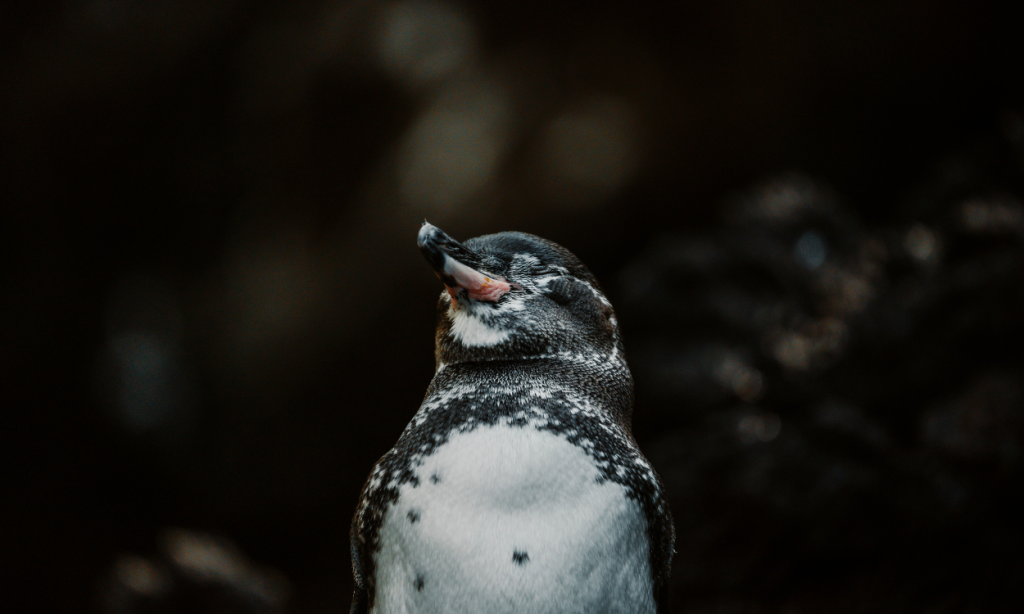
Cooler waters during the off-season bring an abundance of marine species, making it an ideal time for snorkeling and diving. You can expect to see sea turtles, rays, various species of sharks, and even penguins zipping through the water. While the cooler temperatures may reduce visibility slightly, they also attract larger marine species, creating more activity underwater. Whether you’re an experienced diver or a beginner snorkeler, the underwater world of the Galapagos is at its peak during this time.
While the off-season offers exceptional opportunities, each season in the Galapagos has its own distinct features. Here’s a quick guide to what you can expect throughout the year:
The Dry Season (June to November)
During the dry season, the southern trade winds bring the cool Humboldt Current north to the Galapagos, lowering water temperatures and creating cooler, misty conditions known as garúa. While higher elevations retain their lush greenery from this moisture, lower areas remain dry and the skies are generally clear. This period, particularly from June to November, is known for its cooler temperatures and is the best time for spotting humpback whales, dolphins, and various birds.
Key wildlife events during the dry season:
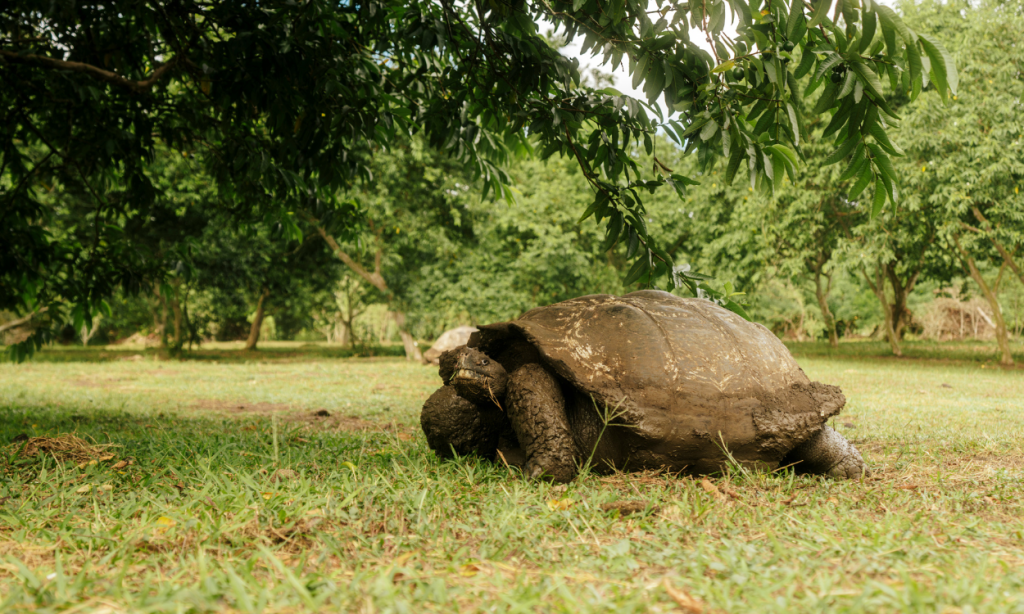
June: Giant tortoises mate on Santa Cruz; dolphins and whales frequent the waters around Fernandina and Isabela.
August: Fur seals and sea lion pups are born.
September: Sea lions and penguins are especially active.
October: Marine life thrives, making it a popular time for divers.
November: Transition month with great snorkeling opportunities, plus sea lion pups and dolphin sightings.
The Warm Season (December to May)
The warm season brings more tropical conditions, with daily rain and cloudier skies. The ocean temperature rises, making it ideal for swimming and snorkeling. Wildlife is particularly active during this time, with many species breeding and nesting.
Key wildlife events during the warm season:
December to April: Giant tortoise eggs hatch on Santa Cruz.
January: Land birds start nesting, and marine iguanas mate.
February: Nesting season for flamingos on Floreana and marine iguanas on Santa Cruz.
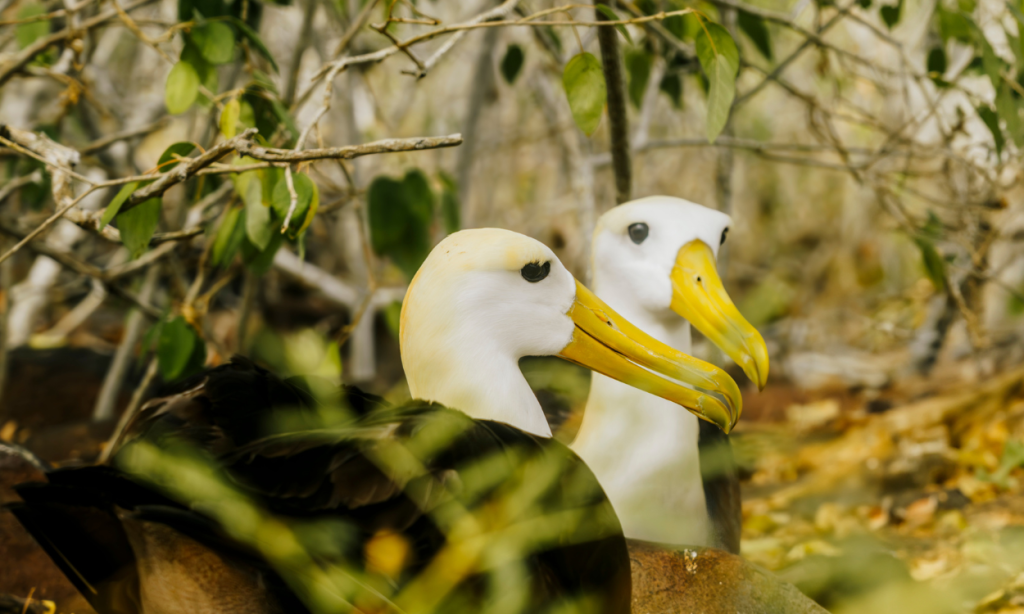
April: Waved albatrosses return to Española for their courtship ritual, and sea turtles hatch on beaches.
We recently received a guest’s heartfelt words, which perfectly capture the magic of exploring the Galapagos with Ecoventura during this specific season. ”The best trip my husband and I have ever taken. Ecoventura delivers an unforgettable luxury adventure, with exceptional attention to detail from the captain, crew, excursions, and meals. The wildlife encounters were simply incredible—flamingos, blue-footed boobies, albatross, sharks, penguins, and playful sea lions all made appearances.”
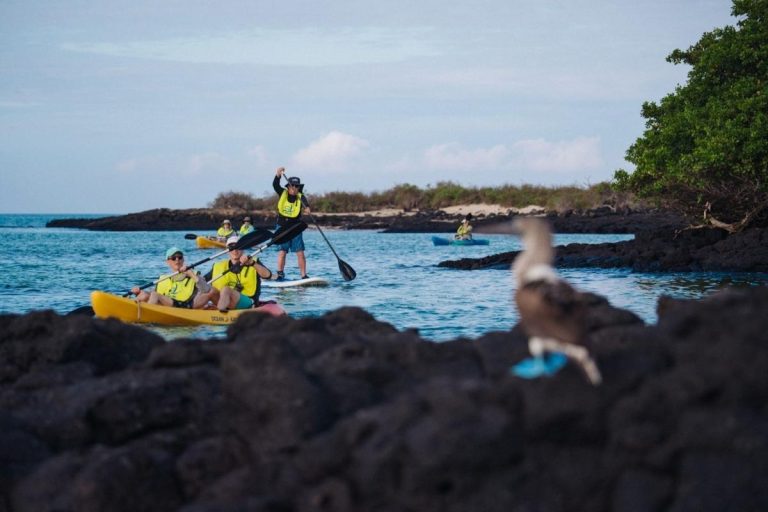
Our guest described the experience as “luxury adventure camp for adults,” with daily snorkeling, hiking, and kayaking. Even the cooler August weather was perfect, making hikes comfortable, and the wetsuits provided were just right for the water.
The Galapagos Islands are a destination like no other, offering something extraordinary no matter when you visit. Whether you’re a wildlife enthusiast, an avid diver, or simply seeking a once-in-a-lifetime adventure, the Galapagos will not disappoint. While the peak season may draw more visitors, the off-season presents an incredible opportunity to explore the islands in a more intimate setting, with the added bonus of savings, tranquility, and a host of unique wildlife experiences.